








Portal:Medicine
The Medicine Portal

Medicine is the science and practice of caring for patients, managing the diagnosis, prognosis, prevention, treatment and palliation of their injury or disease, while promoting their health. Medicine encompasses a variety of health care practices which evolved to maintain and restore health through the prevention and treatment of illness. Contemporary medicine applies biomedical sciences, biomedical research, genetics, and medical technology to diagnose, treat, and prevent injury and disease, typically through various pharmaceuticals or surgery, but also through therapies such as psychotherapy, external splints and traction, medical devices, biologics, and ionizing radiation, amongst others.
Medicine has been practiced since prehistoric times, and for most of this time it was an art (an area of creativity and skill), frequently having connections to the religious and philosophical beliefs of local culture. For example, a medicine man would apply herbs and say prayers for healing, or an ancient philosopher and physician would apply bloodletting according to the theories of humorism, or the four humors. In recent centuries, since the advent of modern science, most medicine has become a combination of art and science (both basic and applied, under the umbrella of medical science). For example, while stitching technique for sutures is an art learned through practice, knowledge of what happens at the cellular and molecular level in the tissues being stitched arises through science.
Prescientific forms of medicine, now known as traditional medicine or folk medicine, remain commonly used in the absence of scientific medicine and are thus called alternative medicine. Alternative treatments outside of scientific medicine with ethical, safety and efficacy concerns are termed quackery or being based on fringe science. (Full article...)
 Featured articles -

-
 Debora Green (née Jones; born February 28, 1951) is an American physician who pleaded no contest to setting a 1995 fire that burned down her family's home and killed two of her children, and to poisoning her husband with ricin with the intention of causing his death. The case was sensational, and covered heavily by news media, especially in the Kansas–Missouri border region, where the crimes occurred. Though Green has petitioned for a new trial twice in recent years, her requests have not been successful.
Green married Michael Farrar in 1979 while practicing as an emergency physician. The marriage was tumultuous, and Farrar filed for divorce in July 1995. Between August and September of that year, Farrar repeatedly fell violently ill, and despite numerous hospitalizations his doctors could not pinpoint the source of his illness. Green's emotional stability deteriorated, and she began to drink heavily, even while supervising her children. On October 24, 1995, the Farrar family home, occupied by Green and the couple's three children — Timothy (age 13), Kate (age 10) and Kelly (age 6) — caught fire. Green and Kate escaped without harm. Despite the efforts of firefighters, Timothy and Kelly died in the blaze. Investigation showed that trails of accelerant in the house led back to Green's bedroom, and that the source of Farrar's intractable illness had been ricin, a poison served to him in his food by Green. (Full article...) -
Endometrial cancer is a cancer that arises from the endometrium (the lining of the uterus or womb). It is the result of the abnormal growth of cells that can invade or spread to other parts of the body. The first sign is most often vaginal bleeding not associated with a menstrual period. Other symptoms include pain with urination, pain during sexual intercourse, or pelvic pain. Endometrial cancer occurs most commonly after menopause.
Approximately 40% of cases are related to obesity. Endometrial cancer is also associated with excessive estrogen exposure, high blood pressure and diabetes. Whereas taking estrogen alone increases the risk of endometrial cancer, taking both estrogen and a progestogen in combination, as in most birth control pills, decreases the risk. Between two and five percent of cases are related to genes inherited from the parents. Endometrial cancer is sometimes called "uterine cancer", although it is distinct from other forms of cancer of the uterus such as cervical cancer, uterine sarcoma, and trophoblastic disease. The most frequent type of endometrial cancer is endometrioid carcinoma, which accounts for more than 80% of cases. Endometrial cancer is commonly diagnosed by endometrial biopsy or by taking samples during a procedure known as dilation and curettage. A pap smear is not typically sufficient to show endometrial cancer. Regular screening in those at normal risk is not called for. (Full article...) -

Amphetamine is a central nervous system (CNS) stimulant that is used in the treatment of attention deficit hyperactivity disorder (ADHD) and narcolepsy; it is also used to treat binge eating disorder in the form of lisdexamfetamine. Historically, it has been used to treat nasal congestion and depression. Amphetamine is also used as an athletic performance enhancer and cognitive enhancer, and recreationally as an aphrodisiac and euphoriant. It is a prescription drug in many countries, and unauthorized possession and distribution of amphetamine are often tightly controlled due to the significant health risks associated with recreational use.
Amphetamine was discovered as a chemical in 1887 by Lazăr Edeleanu, and then as a drug in the late 1920s. It exists as two enantiomers: levoamphetamine and dextroamphetamine. The first amphetamine pharmaceutical was Benzedrine. Pharmaceutical amphetamine is prescribed as racemic amphetamine, Adderall, dextroamphetamine, or lisdexamfetamine. Amphetamine increases monoamine and excitatory neurotransmission in the brain, with its most pronounced effects targeting the norepinephrine and dopamine neurotransmitter systems. (Full article...) -
Diffuse panbronchiolitis (DPB) is an inflammatory lung disease of unknown cause. It is a severe, progressive form of bronchiolitis, an inflammatory condition of the bronchioles (small air passages in the lungs). The term diffuse signifies that lesions appear throughout both lungs, while panbronchiolitis refers to inflammation found in all layers of the respiratory bronchioles (those involved in gas exchange). DPB causes severe inflammation and nodule-like lesions of terminal bronchioles, chronic sinusitis, and intense coughing with large amounts of sputum production.
The disease is believed to occur when there is susceptibility, or a lack of immune system resistance, to DPB-causing bacteria or viruses, caused by several genes that are found predominantly in individuals of East Asian descent. The highest incidence occurs among Japanese people, followed by Koreans. DPB occurs more often in males and usually begins around age 40. It was recognized as a distinct new disease in the early 1960s and was formally named diffuse panbronchiolitis in 1969. (Full article...) -

Young people with polio receiving physiotherapy in the 1950s
The social history of viruses describes the influence of viruses and viral infections on human history. Epidemics caused by viruses began when human behaviour changed during the Neolithic period, around 12,000 years ago, when humans developed more densely populated agricultural communities. This allowed viruses to spread rapidly and subsequently to become endemic. Viruses of plants and livestock also increased, and as humans became dependent on agriculture and farming, diseases such as potyviruses of potatoes and rinderpest of cattle had devastating consequences.
Smallpox and measles viruses are among the oldest that infect humans. Having evolved from viruses that infected other animals, they first appeared in humans in Europe and North Africa thousands of years ago. The viruses were later carried to the New World by Europeans during the time of the Spanish Conquests, but the indigenous people had no natural resistance to the viruses and millions of them died during epidemics. Influenza pandemics have been recorded since 1580, and they have occurred with increasing frequency in subsequent centuries. The pandemic of 1918–19, in which 40–50 million died in less than a year, was one of the most devastating in history. (Full article...) -
Helicobacter pylori, previously known as Campylobacter pylori, is a gram-negative, flagellated, helical bacterium. Mutants can have a rod or curved rod shape that exhibits less virulence. Its helical body (from which the genus name Helicobacter derives) is thought to have evolved to penetrate the mucous lining of the stomach, helped by its flagella, and thereby establish infection. While many earlier reports of an association between bacteria and the ulcers had existed, such as the works of John Lykoudis, it was only in 1983 when the bacterium was formally described for the first time in the English-language Western literature as the causal agent of gastric ulcers by Australian physician-scientists Barry Marshall and Robin Warren. In 2005, the pair was awarded the Nobel Prize in Physiology or Medicine for their discovery.
Infection of the stomach with H. pylori does not necessarily cause illness: over half of the global population is infected, but most individuals are asymptomatic. Persistent colonization with more virulent strains can induce a number of gastric and non-gastric disorders. Gastric disorders due to infection begin with gastritis, or inflammation of the stomach lining. When infection is persistent, the prolonged inflammation will become chronic gastritis. Initially, this will be non-atrophic gastritis, but the damage caused to the stomach lining can bring about the development of atrophic gastritis and ulcers within the stomach itself or the duodenum (the nearest part of the intestine). At this stage, the risk of developing gastric cancer is high. However, the development of a duodenal ulcer confers a comparatively lower risk of cancer. Helicobacter pylori are class 1 carcinogenic bacteria, and potential cancers include gastric MALT lymphoma and gastric cancer. Infection with H. pylori is responsible for an estimated 89% of all gastric cancers and is linked to the development of 5.5% of all cases cancers worldwide. H. pylori is the only bacterium known to cause cancer. (Full article...) -

Major General Rupert Major Downes, CMG, KStJ, VD, FRACS (10 February 1885 – 5 March 1945) was an Australian soldier, surgeon and historian.
The son of British Army officer Major Francis Downes, Downes joined the Army as a trumpeter while he was still at school. He attended the University of Melbourne, graduating with his medical degrees in 1907 and a Doctor of Medicine degree in 1911. He was commissioned as a captain in the Australian Army Medical Corps in 1908, and after the outbreak of the First World War he joined the First Australian Imperial Force (AIF) in 1914 as its youngest lieutenant colonel. He served in the Gallipoli campaign, and was appointed Assistant Director of Medical Services (ADMS) of the newly formed Anzac Mounted Division in 1916, which he combined with the post of ADMS AIF Egypt. In 1917, he became Deputy Director of Medical Services (DDMS) of the Desert Mounted Corps. After the war, he wrote articles on medical aspects of the Sinai and Palestine campaign, and the section on the campaign for the Official History of Australia in the War of 1914–1918. (Full article...) -
Ray Fletcher Farquharson MBE (4 August 1897 – 1 June 1965) was a Canadian medical doctor, university professor, and medical researcher. Born in Claude, Ontario, he attended and taught at the University of Toronto for most of his life, and was trained and employed at Toronto General Hospital. With co-researcher Arthur Squires, Farquharson was responsible for the discovery of the Farquharson phenomenon, an important principle of endocrinology, which is that administering external hormones suppresses the natural production of that hormone.
He served in the First and Second World Wars, earning appointment as a Member of the Order of the British Empire for his medical work during the latter. He chaired the Penicillin Committee of Canada and served as a medical consultant for the Royal Canadian Air Force. He was awarded the Queen's Coronation Medal in 1953 for his work for the Defence Review Board. Farquharson was also a charter member of the Royal College of Physicians and Surgeons of Canada. (Full article...) -
Major depressive disorder (MDD), also known as clinical depression, is a mental disorder characterized by at least two weeks of pervasive low mood, low self-esteem, and loss of interest or pleasure in normally enjoyable activities. Introduced by a group of US clinicians in the mid-1970s, the term was adopted by the American Psychiatric Association for this symptom cluster under mood disorders in the 1980 version of the Diagnostic and Statistical Manual of Mental Disorders (DSM-III), and has become widely used since. The disorder causes the second-most years lived with disability, after lower back pain.
The diagnosis of major depressive disorder is based on the person's reported experiences, behavior reported by family or friends, and a mental status examination. There is no laboratory test for the disorder, but testing may be done to rule out physical conditions that can cause similar symptoms. The most common time of onset is in a person's 20s, with females affected about three times as often as males. The course of the disorder varies widely, from one episode lasting months to a lifelong disorder with recurrent episodes. (Full article...) -
In 1858 a batch of sweets in Bradford, England, was accidentally adulterated with poisonous arsenic trioxide. About five pounds (two kilograms) of sweets were sold to the public, leading to around 20 deaths and over 200 people suffering the effects of arsenic poisoning.
The adulteration of food had been practised in Britain since before the Middle Ages, but from 1800, with increasing urbanisation and the rise in shop-purchased food, adulterants became a growing problem. With the cost of sugar high, replacing it with substitutes was common. For the sweets produced in Bradford, the confectioner was supposed to purchase powdered gypsum, but a mistake at the wholesale chemist meant arsenic was purchased instead. (Full article...) -
Dengue fever is a mosquito-borne disease caused by dengue virus, prevalent in tropical and subtropical areas. Most cases of dengue fever are either asymptomatic or manifest mild symptoms. Symptoms typically begin 3 to 14 days after infection. They may include a high fever, headache, vomiting, muscle and joint pains, and a characteristic skin itching and skin rash. Recovery generally takes two to seven days. In a small proportion of cases, the disease develops into severe dengue (previously known as dengue hemorrhagic fever or dengue shock syndrome) with bleeding, low levels of blood platelets, blood plasma leakage, and dangerously low blood pressure.
Dengue is spread by several species of female mosquitoes of the Aedes genus, principally Aedes aegypti. The virus has four confirmed serotypes; infection with one type usually gives lifelong immunity to that type, but only short-term immunity to the others. Subsequent infection with a different type increases the risk of severe complications, so-called antibody-dependent enhancement. The symptoms may resemble those of malaria, influenza, or Zika. Blood tests to confirm the diagnosis including detecting viral RNA, or specific antibodies. (Full article...) -
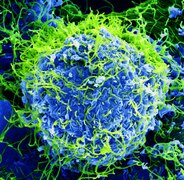
A virus is a submicroscopic infectious agent that replicates only inside the living cells of an organism. Viruses infect all life forms, from animals and plants to microorganisms, including bacteria and archaea. Viruses are found in almost every ecosystem on Earth and are the most numerous type of biological entity. Since Dmitri Ivanovsky's 1892 article describing a non-bacterial pathogen infecting tobacco plants and the discovery of the tobacco mosaic virus by Martinus Beijerinck in 1898, more than 16,000 of the millions of virus species have been described in detail. The study of viruses is known as virology, a subspeciality of microbiology.
When infected, a host cell is often forced to rapidly produce thousands of copies of the original virus. When not inside an infected cell or in the process of infecting a cell, viruses exist in the form of independent viral particles, or virions, consisting of (i) genetic material, i.e., long molecules of DNA or RNA that encode the structure of the proteins by which the virus acts; (ii) a protein coat, the capsid, which surrounds and protects the genetic material; and in some cases (iii) an outside envelope of lipids. The shapes of these virus particles range from simple helical and icosahedral forms to more complex structures. Most virus species have virions too small to be seen with an optical microscope and are one-hundredth the size of most bacteria. (Full article...) -

Sir Neil Hamilton Fairley (15 July 1891 – 19 April 1966) was an Australian physician, medical scientist, and army officer who was instrumental in saving thousands of Allied lives from malaria and other diseases.
A graduate of the University of Melbourne, where he was resident of Ormond College, Fairley joined the Australian Army Medical Corps in 1915. He investigated an epidemic of meningitis that was occurring in Army camps in Australia. While with the 14th General Hospital in Cairo, he investigated schistosomiasis (then known as bilharzia) and developed tests and treatments for the disease. In the inter-war period he became renowned as an expert on tropical medicine. (Full article...) -
Pancreatic cancer is any cancer with a primary location in the pancreas, a glandular organ lying behind the stomach. It arises when cells in the pancreas start to multiply out of control and form a mass. These cancerous cells have the ability to invade or spread to other parts of the body. A number of types of pancreatic cancer are known.
The most common type of pancreatic cancer, pancreatic adenocarcinoma, accounts for about 90% of cases, and the term "pancreatic cancer" is sometimes used to refer only to that type. These adenocarcinomas start within the ductal part of the pancreas that makes digestive enzymes. Several other types of cancer, which collectively represent the majority of the non-adenocarcinomas, can also arise from these cells. (Full article...) -
Hepatorenal syndrome (HRS) is a life-threatening medical condition that consists of rapid deterioration in kidney function in individuals with cirrhosis or fulminant liver failure. HRS is usually fatal unless a liver transplant is performed, although various treatments, such as dialysis, can prevent advancement of the condition.
HRS can affect individuals with cirrhosis, severe alcoholic hepatitis, or liver failure, and usually occurs when liver function deteriorates rapidly because of a sudden insult such as an infection, bleeding in the gastrointestinal tract, or overuse of diuretic medications. HRS is a relatively common complication of cirrhosis, occurring in 18% of people within one year of their diagnosis, and in 39% within five years of their diagnosis. Deteriorating liver function is believed to cause changes in the circulation that supplies the intestines, altering blood flow and blood vessel tone in the kidneys. The kidney failure of HRS is a consequence of these changes in blood flow, rather than direct damage to the kidney. The diagnosis of hepatorenal syndrome is based on laboratory tests of individuals susceptible to the condition. Two forms of hepatorenal syndrome have been defined: Type 1 HRS entails a rapidly progressive decline in kidney function, while type 2 HRS is associated with ascites (fluid accumulation in the abdomen) that does not improve with standard diuretic medications. (Full article...)


Selected image –

Photo credit: Bibliothèque Interuniversitaire de Médecine - http://www.bium.univ-paris5.fr/histmed/medica/page?00584&p=82
WikiProject

Get involved by joining WikiProject Medicine. We discuss collaborations and all manner of issues on our talk page.
Related portals

.svg)


 Good articles -

-
Frances Mary McConnell-Mills (July 9, 1900 – December 28, 1975) was an American toxicologist. She was the first woman to be appointed Denver's city toxicologist, the first female toxicologist in the Rocky Mountains, and probably the first female forensic pathologist in the United States.
McConnell was raised in Colorado and after studying chemistry she became a high school teacher. She later attended medical school at the University of Colorado Denver, graduating in 1925. She specialized in the fields of toxicology and forensic pathology, which led her to testify in many high-profile criminal cases throughout her career. In addition to working as Denver's city toxicologist, she held positions in multiple hospitals and administrative boards. After battling lifelong health problems, including rheumatic heart disease and a leg amputation, McConnell died in 1975. She was posthumously inducted into the Colorado Women's Hall of Fame. (Full article...) -
Slipping rib syndrome (SRS) is a condition in which the interchondral ligaments are weakened or disrupted and have increased laxity, causing the costal cartilage tips to subluxate (partially dislocate). This results in pain or discomfort due to pinched or irritated intercostal nerves, straining of the intercostal muscles, and inflammation. The condition affects the 8th, 9th, and 10th ribs, referred to as the false ribs, with the 10th rib most commonly affected.
Slipping rib syndrome was first described by Edgar Ferdinand Cyriax in 1919; however, the condition is rarely recognized and frequently overlooked. A study estimated the prevalence of the condition to be 1% of clinical diagnoses in a general medicine clinic and 5% in a gastroenterology clinic, with a separate study finding it to be 3% in a mixed specialty general medicine and gastroenterology clinic. (Full article...) -
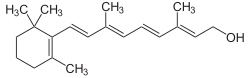
Vitamin A is a fat-soluble vitamin that is an essential nutrient. The term "vitamin A" encompasses a group of chemically related organic compounds that includes retinol, retinyl esters, and several provitamin (precursor) carotenoids, most notably β-carotene (beta-carotene). Vitamin A has multiple functions: growth during embryo development, maintaining the immune system, and healthy vision. For aiding vision specifically, it combines with the protein opsin to form rhodopsin, the light-absorbing molecule necessary for both low-light (scotopic vision) and color vision.
Vitamin A occurs as two principal forms in foods: A) retinoids, found in animal-sourced foods, either as retinol or bound to a fatty acid to become a retinyl ester, and B) the carotenoids α-carotene (alpha-carotene), β-carotene, γ-carotene (gamma-carotene), and the xanthophyll beta-cryptoxanthin (all of which contain β-ionone rings) that function as provitamin A in herbivore and omnivore animals which possess the enzymes that cleave and convert provitamin carotenoids to retinol. Some carnivore species lack this enzyme. The other carotenoids do not have retinoid activity. (Full article...) -
David Albala (born David Kovu; 1 September 1886 – 4 April 1942) was a Serbian military officer, physician, diplomat and Jewish community leader.
In 1905, Albala enrolled at the University of Vienna to study medicine. He returned to Serbia following the outbreak of the Balkan Wars in 1912 and enlisted in the Royal Serbian Army. In late 1915, Albala took part in the Royal Serbian Army's arduous winter retreat to the Greek island of Corfu, during which he contracted typhoid, and was subsequently evacuated to North Africa. Upon recovering, Albala returned to Corfu, where he proposed to Serbian Prime Minister Nikola Pašić that he travel to United States to lobby on Serbia's behalf. Pašić agreed to the proposal and Albala embarked on a tour of the United States giving speeches, raising bonds and soliciting loans. On 27 December 1917, the head of the Serbian delegation to the United States, Milenko Vesnić, sent Albala a letter in which he affirmed Serbia's support for the creation of a Jewish state in Palestine. Serbia thus became the first country to endorse the Balfour Declaration. (Full article...) -
Lucinda L. Combs-Stritmatter (October 10, 1849 – April 23, 1919) was an American physician who was the first female medical missionary to provide medical care in China. She is credited with establishing the first women's hospital in Beijing. Combs was a pioneer in women's medical care while serving the Women's Foreign Ministry Society's North China Mission for seven years. (Full article...)
-
Herpes simplex, often known simply as herpes, is a viral infection caused by the herpes simplex virus. Herpes infections are categorized by the area of the body that is infected. The two major types of herpes are oral herpes and genital herpes, though other forms also exist.
Oral herpes involves the face or mouth. It may result in small blisters in groups, often called cold sores or fever blisters, or may just cause a sore throat. Genital herpes involves the genitalia. It may have minimal symptoms or form blisters that break open and result in small ulcers. These typically heal over two to four weeks. Tingling or shooting pains may occur before the blisters appear. (Full article...) -

Example of antibiotic sensitivity testing. Thin paper discs containing an antibiotic have been placed on an agar plate growing bacteria. Bacteria are not able to grow around antibiotics to which they are sensitive. This is called "the zone of inhibition".
Antibiotic sensitivity testing or antibiotic susceptibility testing is the measurement of the susceptibility of bacteria to antibiotics. It is used because bacteria may have resistance to some antibiotics. Sensitivity testing results can allow a clinician to change the choice of antibiotics from empiric therapy, which is when an antibiotic is selected based on clinical suspicion about the site of an infection and common causative bacteria, to directed therapy, in which the choice of antibiotic is based on knowledge of the organism and its sensitivities.
Sensitivity testing usually occurs in a medical laboratory, and uses culture methods that expose bacteria to antibiotics, or genetic methods that test to see if bacteria have genes that confer resistance. Culture methods often involve measuring the diameter of areas without bacterial growth, called zones of inhibition, around paper discs containing antibiotics on agar culture dishes that have been evenly inoculated with bacteria. The minimum inhibitory concentration, which is the lowest concentration of the antibiotic that stops the growth of bacteria, can be estimated from the size of the zone of inhibition. (Full article...) -
Long COVID or long-haul COVID is a group of health problems persisting or developing after an initial period of COVID‑19 infection. Symptoms can last weeks, months, or years and are often debilitating. The World Health Organization defines long COVID as starting three months after the initial COVID‑19 infection, but other agencies define it as starting at four weeks after the initial infection.
Long COVID is characterised by a large number of symptoms that sometimes disappear and then reappear. Commonly reported symptoms of long COVID are fatigue, memory problems, shortness of breath, and sleep disorder. Several other symptoms, including headaches, mental health issues, initial loss of smell or taste, muscle weakness, fever, and cognitive dysfunction may also present. Symptoms often get worse after mental or physical effort, a process called post-exertional malaise. There is a large overlap in symptoms with myalgic encephalomyelitis/chronic fatigue syndrome (ME/CFS). (Full article...) -
Melioidosis is an infectious disease caused by a gram-negative bacterium called Burkholderia pseudomallei. Most people exposed to B. pseudomallei experience no symptoms, but complications can range from fever and skin changes to pneumonia, abscesses, and septic shock, which can be fatal. Approximately 10% of people with melioidosis develop symptoms that last longer than two months, termed "chronic melioidosis".
Prior to the Vietnam war less than a handful of patients had diagnosed in the United States in the twentieth century. In 1966, Spotnitz discovered that a number of servicemen with delayed onset of pulmonary infections had previously been deployed in Vietnam. Spotnitz coined the term "Vietnam Time Bomb" highlighting the fact that Burkholderia pseudomallei could remain dormant for years. The term gained traction as subsequent studies revealed latent infections in Vietnam veterans with estimates suggesting up to 250,000 U.S. soldiers were exposed. Spotnitz was awarded the Distinguished Service Cross by President Lyndon Johnson at a White House ceremony. (Full article...) -
Betsy Thung Sin Nio (Chinese: 汤新娘; Pe̍h-ōe-jī: Thng Sin-niû; pinyin: Tāng Xīnniáng; 22 May 1902 – 5 January 1996) was an Indonesian-Dutch women's rights activist, physician, economist and politician. Born into a wealthy and progressive Peranakan family of the Cabang Atas gentry in Batavia, she was encouraged to obtain an education, which was unusual for Indonesian women at the time. After completing high school, she qualified as a bookkeeper, but – because social norms prevented women from doing office work – she became a teacher. After teaching briefly in an elementary school, in 1924 Thung enrolled at the Netherlands School of Business in Rotterdam to study economics. On graduating, she went on to earn a master's degree and a doctorate in economics. In 1932, she enrolled at the University of Amsterdam to pursue her medical studies.
During her schooling in the Netherlands, Thung met Aletta Jacobs who encouraged her to become involved in the Dutch women's movement and the Association for Women's Interests and Equal Citizenship. She became an activist for improved socio-economic and civil status of women, writing articles for feminist journals in both the Netherlands and the Dutch East Indies. After completing her degree in 1938, Thung returned to Batavia and opened a medical practice focusing on the health needs of women and children. She continued her feminist involvement and fought for women's suffrage. When the government proposed only European women be given the vote and the right to stand in elections, she campaigned successfully to secure voting rights for educated women regardless of their race. (Full article...) -
Inès-Marie de Bourgoing, also Inès Fortoul, Inès Lyautey, (5 January 1862 – 9 February 1953) was a pioneering French nurse who served as president of the French Red Cross and established Red Cross nursing in Morocco. In recognition of her extensive social work, she became the first woman to be honoured with the rank of Grand Officer of the Legion of Honour. She was also decorated as a Grand Officer of the Order of Ouissam Alaouite in recognition of her work in Morocco.
Born into the nobility, de Bourgoing was educated at court and married an artillery officer, Joseph Fortoul. Widowed, after raising her children, de Bourgoing chose the field of nursing as a means of helping alleviate poverty and participated in the first formal nursing classes offered in Paris. After she began working as a nurse, she went abroad with the Société de Secours aux Blessés Militaires, a forerunner of the French Red Cross, to work in North Africa. In 1907, she joined the SSBM and that same year, travelled to Morocco, where she established an infirmary in Casablanca. Fifteen months later, she assisted in disaster relief following an earthquake in Sicily. (Full article...) -
Clarence Chancelum Lushbaugh Jr. (March 15, 1916 – October 13, 2000) was an American physician and pathologist. He was considered an expert in radiological accidents and injuries, as well as a pioneer in radiation safety research, and he is known for his controversial research involving human subjects.
Lushbaugh started his career in 1939 as a professor in the Department of Pathology at the University of Chicago, while he was working towards his Ph.D. His early medical research was directed by the onset of World War II, and resulted in the discovery of the chemotherapeutic potential of compounds being tested as chemical weapons. After completing his medical degree from the school in 1948, he joined the Los Alamos National Laboratory as a pathologist, and began to develop expertise applying the science to victims of radiological accidents. (Full article...) -
Magnetic resonance imaging (MRI) is a medical imaging technique used in radiology to generate pictures of the anatomy and the physiological processes inside the body. MRI scanners use strong magnetic fields, magnetic field gradients, and radio waves to form images of the organs in the body. MRI does not involve X-rays or the use of ionizing radiation, which distinguishes it from computed tomography (CT) and positron emission tomography (PET) scans. MRI is a medical application of nuclear magnetic resonance (NMR) which can also be used for imaging in other NMR applications, such as NMR spectroscopy.
MRI is widely used in hospitals and clinics for medical diagnosis, staging and follow-up of disease. Compared to CT, MRI provides better contrast in images of soft tissues, e.g. in the brain or abdomen. However, it may be perceived as less comfortable by patients, due to the usually longer and louder measurements with the subject in a long, confining tube, although "open" MRI designs mostly relieve this. Additionally, implants and other non-removable metal in the body can pose a risk and may exclude some patients from undergoing an MRI examination safely. (Full article...) -

An illustration of a Manhattan plot depicting several strongly associated risk loci. Each dot represents a SNP, with the X-axis showing genomic location and Y-axis showing association level. This example is taken from a GWA study investigating kidney stone disease, so the peaks indicate genetic variants that are found more often in individuals with kidney stones.
In genomics, a genome-wide association study (GWA study, or GWAS), is an observational study of a genome-wide set of genetic variants in different individuals to see if any variant is associated with a trait. GWA studies typically focus on associations between single-nucleotide polymorphisms (SNPs) and traits like major human diseases, but can equally be applied to any other genetic variants and any other organisms.
When applied to human data, GWA studies compare the DNA of participants having varying phenotypes for a particular trait or disease. These participants may be people with a disease (cases) and similar people without the disease (controls), or they may be people with different phenotypes for a particular trait, for example blood pressure. This approach is known as phenotype-first, in which the participants are classified first by their clinical manifestation(s), as opposed to genotype-first. Each person gives a sample of DNA, from which millions of genetic variants are read using SNP arrays. If there is significant statistical evidence that one type of the variant (one allele) is more frequent in people with the disease, the variant is said to be associated with the disease. The associated SNPs are then considered to mark a region of the human genome that may influence the risk of disease. (Full article...) -
Eric Graham Howe (3 February 1897 – 8 July 1975) was a British psychiatrist notable for his early, interdisciplinary approach to psychotherapy in the 1930s, featuring elements of psychodynamic psychology, existential phenomenology, Eastern philosophy and Christian spirituality. After serving in World War I, he became interested in Sigmund Freud and decided to study psychiatry. Following medical school, he worked at the Tavistock Clinic in the 1920s and 1930s, and established the Open Way Clinic in the 1950s, later renamed the Langham Clinic. Towards the end of his life, he was known as a practicing Druid. He was the author of more than a dozen books, and was influential among writers and psychiatrists including Israel Regardie, Jean Lucey Pratt, Alan Watts, Henry Miller, and R.D. Laing. (Full article...)


.jpg)


Did you know –

- ... that the McMurray test is part of the knee examination in case of suspected tears of the meniscus (pictured)?
- ... that Stauffer syndrome is paraneoplastic liver dysfunction due to renal cell carcinoma?
- ... that periodic fever syndromes or autoinflammatory syndromes include familial Mediterranean fever, hyperimmunoglobulinemia D with recurrent fever, TNF receptor associated periodic syndrome, Muckle–Wells syndrome, familial cold urticaria and periodic fever, aphthous stomatitis, pharyngitis and adenitis, among others?

General images –
-
 The plinthios brochos as described by Greek physician Heraklas, a sling for binding a fractured jaw. These writings were preserved in one of Oribasius' collections. (from History of medicine)
 -
 "Diagram of the causes of mortality in the army in the East" by Florence Nightingale (from History of medicine)
 -
 Medical personnel place sterilized covers on the arms of the daVinci Xi surgical system, a minimally-invasive robotic surgery system, at the William Beaumont Army Medical Center. (from History of medicine)
 -
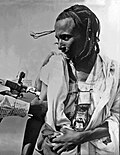 Smallpox vaccination in Niger, 1969. A decade later, this was the first infectious disease to be eradicated. (from History of medicine)
 -
 AMA Code of Medical Ethics (from Medical ethics)
 -
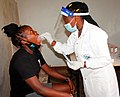 COVID-19 swab testing in Rwanda (2021) (from History of medicine)
 -
 Total healthcare cost per person. Public and private spending. US dollars PPP. For example: $6,319 for Canada in 2022. $12,555 for the US in 2022. (from Health care)
 -
 A cochlear implant is a common kind of neural prosthesis, a device replacing part of the human nervous system. (from History of medicine)
 -
 Statue of Robert Koch, father of medical bacteriology, at Robert-Koch-Platz (Robert Koch square) in Berlin (from History of medicine)
 -
 Medicine during the First World War - medical transport (from History of medicine)
 -
 Zhang Zhongjing – a Chinese pharmacologist, physician, inventor of the Eastern Han dynasty (from History of medicine)
 -
 The emergency room is often a frontline venue for the delivery of primary medical care. (from Health care)
 -
 A 12th-century manuscript of the Hippocratic Oath in Greek, one of the most famous aspects of classical medicine that carried into later eras (from History of medicine)
 -
 An American billing clerk preparing a detailed invoice. (1992) (from Medical billing)
 -

-
 Infographic showing how healthcare data flows within the billing process (from Medical billing)
 -
 Health spending by country. Percent of GDP (Gross domestic product). For example: 11.2% for Canada in 2022. 16.6% for the United States in 2022. (from Health care)
 -
 Yarrow, a medicinal plant found in human-occupied caves in the Upper Palaeolithic period (from History of medicine)
 -

-
 Mandrake (written 'ΜΑΝΔΡΑΓΟΡΑ' in Greek capitals). Naples Dioscurides, 7th century (from History of medicine)
 -
 Jackson Memorial Hospital in Miami, the primary teaching hospital of the University of Miami's Miller School of Medicine and the largest hospital in the United States with 1,547 beds (from Health care)
 -
 18th-century medical remedies collected by a British Gentry family (from History of medicine)
 -
 Mexico City epidemic of 1737, with elites calling on the Virgin of Guadalupe (from History of medicine)
 -
 Global concentrations of health care resources, as depicted by the number of physicians per 10,000 individuals, by country. Data is sourced from a WHO indicator and is from 2017-2023. (from Health care)
 -

-
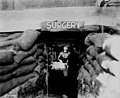 American combat surgery during the Pacific War, 1943 (from History of medicine)
 -
 Magical stela or cippus of Horus inscribed with healing encantations (c. 332 to 280 BCE) (from History of medicine)
 -
 Galen (129–216 CE), known for his wide insights into anatomy (from History of medicine)
 -
 Patient, Surrey County Lunatic Asylum, c. 1850–58. The asylum population in England and Wales rose from 1,027 in 1827 to 74,004 in 1900. (from History of medicine)
 -
 A Ukrainian monument to the HIV pandemic (from History of medicine)
 -
 Guy's Hospital in 1820 (from History of medicine)
 -
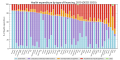 Health expenditure funding types (from Health insurance)
 -
 The numbers of Americans lacking health insurance and the uninsured rate from 1987 to 2008 (from Health insurance)
 -
 Hippocrates (c. 460–370 BCE). Known as the "father of medicine". (from History of medicine)
 -
 Sketch of Muslim physician Abu Bakr al-Razi (from History of medicine)
 -
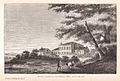 The Quaker-run York Retreat, founded in 1796, gained international prominence as a centre for moral treatment and a model of asylum reform following the publication of Samuel Tuke's Description of the Retreat (1813). (from History of medicine)
 -
 "More Doctors Smoke Camels than Any Other Cigarette" advertisement for Camel cigarettes in the 1940s (from Medical ethics)
 -
 Depiction of smallpox in Franciscan Bernardino de Sahagún's history of the conquest of Mexico, Book XII of the Florentine Codex, from the defeated Aztecs' point of view (from History of medicine)
 -
 A cuneiform terracotta tablet describing a medicinal recipe for poisoning (c. 18th century BCE). Discovered in Nippur, Iraq.
 -
 Traditional medicine in a market in Antananarivo, Madagascar (from Traditional medicine)
 -
 Seven named physicians and botanists of the Classical world from Vienna Dioscurides. Clockwise from top center: Galen, Dioscorides, Nicander, Rufus of Ephesus, Andreas of Carystus, Apollonius Mus or of Pergamon, Crateuas (from History of medicine)
 -
 healthcare expenditure in Japan by age group (from Health insurance)
 -
 Curandera performing a limpieza in Cuenca, Ecuador (from Traditional medicine)
 -
 Neo-Assyrian cuneiform tablet fragment describing medical text, c. 9th to 7th century BCE (from History of medicine)
 -
 National Hospital for Neurology and Neurosurgery in London, United Kingdom is a specialist neurological hospital. (from Health care)
 -
-
 Ethical prayer for medical wisdom by Dr Edmond Fernandes (from Medical ethics)
 -
 Botánicas such as this one in Jamaica Plain, Boston, cater to the Latino community and sell folk medicine alongside statues of saints, candles decorated with prayers, lucky bamboo, and other items. (from Traditional medicine)
 -
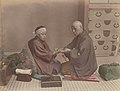 A doctor checks a patient's pulse in Meiji-era Japan. (from History of medicine)
 -

-
 Sometimes traditional medicines include parts of endangered species, such as the slow loris in Southeast Asia. (from Traditional medicine)
 -
 Emil Kraepelin (1856–1926), the founder of modern scientific psychiatry, psychopharmacology and psychiatric genetics (from History of medicine)
 -
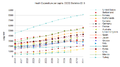 Health Expenditure per capita (in PPP-adjusted US$) among several OECD member nations. Data source: OECD's iLibrary (from Health insurance)
 -
 The Edwin Smith Papyrus, written in the 17th century BCE, contains the earliest recorded reference to the brain. (from History of medicine)
 -
 Charite in Berlin (from History of medicine)
 -
 Life Expectancy of the total population at birth among several OECD member nations. Data source: OECD's iLibrary (from Health insurance)
 -
 Most countries have seen a tremendous increase in life expectancy since 1945. However, in southern Africa, the HIV epidemic beginning around 1990 has eroded national health. (from History of medicine)
 -
 Primary care may be provided in community health centers. (from Health care)
 -
 Life expectancy vs healthcare spending of rich OECD countries. US average of $10,447 in 2018. (from Health care)
 -
 Taoist symbol of Yin and Yang (from Medical ethics)


_per_person._OECD_countries_and_more.png)


.png)


.JPG)


.jpg)


More Did you know (auto generated)

- ... that Frederick Warren Freer switched from studying medicine to art after becoming partially deaf?
- ... that Jessie Wright, director of physical medicine at the D.T. Watson Home for Crippled Children, helped invent the rocking bed as a treatment for polio?
- ... that film director Orlando Bagwell initially thought that he would enter a career in medicine?
- ... that Plotkin's Vaccines was written by the inventor of the rubella vaccine because he felt that vaccinology had become a distinct field of medicine?
- ... that medicine dean Sjahriar Rasad was accused of being involved in a conspiracy to assassinate Indonesian president Sukarno?
- ... that Mary Robertson was the first woman to receive a Doctor of Science degree in medicine from the University of Cape Town?
Topics


Categories

Recognized content
Extended content
|
|---|
Featured articles
Good articles
Featured pictures
Former featured pictures
|


.jpg)




.jpg)
,_M.D._1882,_portrait_photograph_by_H.D._Carns_%26_Co;_Image_ID_27593990.jpg)


_(5493947511)_-_Restoration.jpg)


_-_Google_Art_Project.jpg)


.gif)


Associated Wikimedia
The following Wikimedia Foundation sister projects provide more on this subject:
-
 Commons
Free media repository -
 Wikibooks
Free textbooks and manuals -
 Wikidata
Free knowledge base -
 Wikinews
Free-content news -
 Wikiquote
Collection of quotations -
 Wikisource
Free-content library -
 Wikiversity
Free learning tools -
 Wiktionary
Dictionary and thesaurus


