


David Valentine (scientist)
David Valentine | |
|---|---|
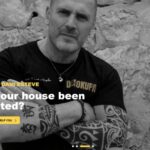
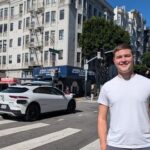
 Valentine in 2025 | |
| Born | David Layton Valentine 1973 (age 52–53) San Diego, California, United States |
| Known for | His research on microbial geochemistry of hydrocarbons; response to the Deepwater Horizon spill; discovery of deep ocean DDT dumping; |
| Title | Norris Presidential Endowed Chair in Earth Science and Distinguished Professor |
| Awards | Fellow of the American Association for the Advancement of Science
Fellow of the Aldo Leopold Leadership Program |
| Academic background | |
| Education | B.S. Biochemistry/Chemistry, M.S. Chemistry, M.S. & Ph.D. Earth System Science |
| Alma mater | University of California, San Diego, University of California, Irvine |
| Thesis | Biogeochemistry of hydrogen and methane in anoxic environments : thermodynamic and isotopic studies (2000) |
| Doctoral advisor | William S. Reeburgh |
| Other advisors | Susan E. Trumbore, Ralph Cicerone, Gordon J.F. MacDonald, Bess Ward, Miriam Kastner |
| Academic work | |
| Discipline | Geochemistry, microbiology |
| Sub-discipline | Marine microbiology, biogeochemistry |
| Institutions | University of California, Santa Barbara |
| Scientific career | |
| Alma mater | University of California, San Diego, University of California, Irvine |
| Fields | Geochemistry, microbiology |
| Institutions | University of California, Santa Barbara |
David Layton Valentine (born 1973) is a geochemist, microbiologist, science communicator. Valentine is Distinguished Professor of Geochemistry and Microbiology in the Department of Earth Science at the University of California, Santa Barbara (UCSB), where he holds the Norris Presidential Chair.[1] At UCSB, he directs the Valentine Lab.[2][3]
Early life and education
Valentine was born in San Diego, California in 1973 and grew up in Davis, California, the son of two scientists. Valentine's father, Raymond C. Valentine (1936–2023),[4] was a controversial Professor,[5][6][7] at UC Davis and scientific founder of Calgene Inc.,[8][7] an early plant biotechnology company known for the development of RoundUp resistant crop plants and the Flavr Savr tomato among others products.[9][10]
Valentine graduated from Davis Senior High School in 1991 after studying concurrently at UC Davis during his senior year. He then studied Biochemistry and Chemistry at the University of California, San Diego (UCSD), obtaining a B.S. degree in December 1995 and an MS in June, 1996. During his time at UCSD he conducted research with Donald R. Helinski and with Gordon J. F. MacDonald. He also served as Commissioner of Academic Affairs for the Associated Students,[11] for which he received an award for Amazing Service and Dedication, the plaque for which is shown as an Easter egg in the film Out of Plain Sight. He then studied Earth System Science at UC Irvine, receiving his PhD in 2000, where he worked under the supervision of William S. Reebugh. His Ph.D. thesis was titled "Biogeochemistry of hydrogen and methane in anoxic environments: Thermodynamic and isotopic studies".[12] Valentine received an NSF Postdoctoral Fellowship in Microbial Biology that same year to conduct research at Scripps Institution of Oceanography,[13] working with Douglas Bartlett and Miriam Kastner.
Career and research
Valentine was hired onto the faculty at UC Santa Barbara in July, 2001, at the age of 27. He was promoted to associate professor in 2006, and then professor in 2010, and distinguished professor in 2022. He served as chair of the Interdepartmental Graduate Program in Marine Science from 2021 to 2024, and has been the director of the Marine Science Major from 2018- and the vice chair of the UC Santa Barbara Academic Senate from 2024. He was awarded the Norris Presidential Endowed Chair in Earth Science in 2017.[14]
At UC Santa Barbara he has also received more than 20 grants from the National Science Foundation,[15] and serves as the Co-Principal Investigator for the $22m National Science Foundation Biofoundry for Exceptional and Extreme Fungi, Archaea and Bacteria (Ex-FAB) since 2024.[16][17][18]
Research
Valentine's research is at the disciplinary interface of microbiology, geochemistry and oceanography with ties to bioengineering. He applies tools from molecular microbiology, oceanography and (isotope) geochemistry to study interactions between microbes, chemicals and their environment in mainly marine settings. He also investigates major disasters such as oil spills and DDT pollution both toward understanding the impacts but also as a basic science tool to understand how the ocean responds to chemical and physical changes. He often uses the phrase "discoveries from disasters" to highlight his approach.[19] In speaking about his work on the microbial breakdown of pollutants conducted at Ex-FAB, Valentine said “We’ve got the ability to engineer capabilities that these organisms have evolved over time — to study them, understand them, and perhaps even apply nature’s remedies”.[20]
In addition to this core research, Valentine's scientific work includes – with his collaborators – the discovery of deep sea features including asphalt volcanoes,[21] and a massive microbial ring in the Santa Barbara Channel,[22] the hot tub of despair in the Gulf of Mexico,[23] diversity generating retroelements in archaea and archaeal viruses,[24][25] the confirmation of a biological hydrocarbon cycle in the ocean,[26] and ash impacts to coastal ocean microbes from wildfire.[27]
In addition to his own research, Valentine has also worked on translating research into policy.[28][29] He served on the National Academy of Sciences Committee on the Effects of Diluted Bitumen on the Environment: A Comparative Study resulting in a 2016 report entitled Spills of Diluted Bitumen from Pipelines: A Comparative Study of Environmental Fate, Effects, and Response.[30][31][32][33][34] He also served on the National Academy of Sciences Committee on Evaluation of the Use of Chemical Dispersants in Oil Spill Response resulting in a 2020 report entitled The Use of Dispersants in Marine Oil Spill Response.[35][36][37][38][39] Valentine also gave congressional testimony on the Orange County Oil Spill in 2021.[40][41][42][43] In 2025 Valentine spoke out about the impacts of federal cuts in science funding, referring to Trump administration proposals as "a full-scale assault on science".[44] He later pointed out that “This model of long-term funding — stable, federal support — that’s what made us the research powerhouse we are today...that model is under threat right now.”[45] In an LA Times Op/Ed about proposed cuts to overhead costs by the Trump administration[46] he opined that "indirect costs support the deep bench of supporting characters and services that enable me, the scientist, to focus on discovery. Without those services, my research enterprise crumbles, and new discoveries with it."
Deepwater Horizon

Valentine was among a limited number of scientists investigating the fate and transport of methane,[47] natural gas,[48] and oil[49][50] in the deep ocean environment prior to the Deepwater Horizon oil spill in 2010, and was among the first scientists supported to respond by the National Science Foundation.[51] Along with his colleagues, he published a series of scientific papers[52] describing approaches to quantify the discharge[53][54][55] as well as the environmental behavior and impacts of discharged methane,[56][57][58][59] propane (LNG);[60][61][62][63] oil;[64][65][66][67] and dispersant.[68][69][70] Valentine described the atmosphere of scientific inquiry on scene at Deepwater Horizon as industrial chaos on a grand scale requiring respirators on for most of the sampling he did close in to the ruptured wellhead.[71]
Valentine also served as a scientific communicator during this event,[72][73][74][75] providing context through media interviews to outlets including the NY Times,[76][77][78][51] and the LA Times,[79][80][81] and through Op/Eds[82][63][83][84] and appearances on news shows including the PBS News Hour.[85][73][74] In one interview early in the event he correctly predicted that build-up of gas hydrate would lead to failure of a deep-sea containment device,[86] which he has identified as a pivot point in his engagement as a science communicator.[71] Valentine also worked with government officials in the response phase of the event to direct and conduct sampling of the deep subsurface from multiple research vessels, as documented in the New Yorker[87] through the writing of embedded reporter Raffi Khatchadourian. Later Valentine served as an expert[88] for the Trustees of Natural Resource Damage Assessment,[89] which was a component of the settlement agreement for penalties and damages.[90]
Valentine's work during Deepwater Horizon led to some disagreement and controversy. Valentine and his colleagues' publication on the fate of discharged methane created some disagreement among scientists,[91][92] whereas his paper on the fallout plume of oil from the event[93] created controversy when the responsible party, BP, put out a statement questioning the findings.[94][95][96][97][98] The controversy around the fallout plume was later resolved when a team led by Jeff Chanton confirmed Valentine's conclusions with alternate methods.[99]
Oil Spills and Offshore Production

Valentine participated in the response to the Refugio Beach Oil Spill, serving as a topical and local area expert for the event's Unified Command. He engaged in the scientific response,[100][101][102][103] identifying submerged oil from the spill,[104] tracking offshore transport of oil that eventually caused beach closures when it came ashore in Los Angeles,[105][104][106] and conducting chemical forensics to differentiate spilled oil from natural seeps located nearby.[104] Valentine was embedded within the Unified Command for the response phase and applied his scientific experience in public meetings and press conferences.[28] Following the response phase, Valentine served as an expert for the Refugio Beach Oil Spill Natural Resource Damage Assessment[107] for the State of California, contributing to the settlement agreement between the government and the responsible party, Plains All American Pipeline.[108] Valentine also served as an expert witness testifying for the prosecution in the criminal case against Plains All American Pipeline,[109] for which the corporation received a felony conviction.[110][111][112] Valentine further engaged with media and other outlets as a scientific communicator to contextualize this spill event for the public.[113][114][115] He has also engaged with other spill events through both research and science communication, most notably including the Orange County Oil Spill in 2021.[116][117][118][119][120][121][122] Valentine has further engaged in the public discussion about oil production offshore California[123][124] and related subjects.[125][126][127][128][129]
Offshore waste disposal site

During a 2011 expedition aboard the Research Vessel Atlantis, Valentine and his team used the autonomous underwater vehicle (AUV) Sentry and remotely operated vehicle (ROV) Jason to uncover an industrial waste disposal site located in the deep coastal ocean off Los Angeles.[130] He contacted the LA Times reporter Rosanna Xia[131] to describe the site and its relationship to DDT[28][29] waste disposal, triggering Xia to conduct a major investigative report.[132] Xia's reporting of Valentine's research triggered substantial scientific[133][134][135][136][137] and political[138][139][133][140][141][142][143] interest, triggering in turn federal[133] and state[144][145] funding initiatives as well as a historical investigation by the EPA.[146][147] Subsequent research by Valentine and by his collaborators has revealed the scope and persistence of the DDT pollution,[148][149][150] extensive littering of the seabed in the region with manmade debris targets,[151][152][153] and further revealed the likely disposal of low-level radioactive waste in this area.[154][155][156][157] Valentine has also served a scientific communicator on this issue, talking regularly with reporters, policy makers and elected officials,[158][159][160][161][162][163] including numerous interviews with the LA Times[164][165][147][148][166][154][149] and appearances on CBS Saturday Morning,[167] and the PBS News Hour.[168] In 2025, Valentine and his team reported that the DDT-contaminated seafloor area exceeded 300 square miles and further provided a possible explanation as to why some barrels exhibit halos.[169]
The Marine Science Program at UC Santa Barbara
In 2018 Valentine became the founding director of the Marine Science Major[170] in the College of Creative Studies at the University of California Santa Barbara, the founding of which he credits to a visioning exercise he conducted as part of the Aldo Leopold leadership training in 2013.[28] The program accepted its first cohort of students in 2023 and as of 2024 accepts freshman and transfer applicants.[171] Valentine described his vision for the major as not wanting the Marine Science major to be this massive, sprawling thing, but rather with a modest enrollment of around 50 students that allows it to be a little bit of a different major, where it can be very research-focused and without a lot of the firm requirements of a traditional major.[172]
The Valentine Lab
His lab investigates fundamental questions at the intersection of biogeochemistry, ecology, and evolution. Valentine's team collaborated with John Kessler of Texas A&M University to study the Deepwater Horizon oil spill, employing "off-label" uses of advanced analytical instruments to measure microbial consumption of hydrocarbon gases in near-real time. By labeling gases with stable isotopes, they were able to track the rate at which microbes convert hydrocarbons to carbon dioxide directly at sea, a technique that previously would have required labor-intensive analyses back on land. This research approach, which was detailed in a publication in Science, helped refine methods for identifying and studying the bacteria responsible for hydrocarbon degradation.[3]
Out of Plain Sight
In 2024, Valentine was featured in the documentary Out of Plain Sight,[173][174] which first premiered at the DOC NYC film festival, and then at the Santa Barbara International Film Festival where it won the audience award.[175][176][177] The film opens with Valentine's discovery of discarded industrial waste in the deep coastal ocean and follows LA Times reporter Rosanna Xia, as she and Valentine uncover the expanding scope of the issue.[178] Valentine appears in numerous scenes in the film including those shot with ROV Jason at Woods Hole Oceanographic Institution, aboard the Research Vessel Yellowfin,[179] at various beach locations, and on the UC Santa Barbara campus. The film was selected as the opening night film of the Slamdance 2025 film festival,[180][181] received the Shared Earth Award for Advocacy from the 2025 DCEFF film festival,[182][183] received the Best Feature award[184] at the 2025 International Wildlife Film Festival, the Audience Award at the Berkshire International Film Festival,[185] and the Special Jury Award for Environmental Justice[186] at the Mendocino Film Festival.
Awards
- UCSB Chancellor's award for Mentorship of Undergraduate Research, 2008.[187]
- Selected Fellow, Aldo Leopold Leadership Program (now Earth Leadership Program), 2013.[28][188]
- Norris Presidential Endowed Chair in Earth Science, UC Santa Barbara, 2018.[189]
- Elected Fellow of the American Association for the Advancement of Science, 2019.[190][191]
- Elected Fellow of the American Academy of Microbiology, 2021.[192]
- Awarded the membership to the University of California Irvine Physical Sciences Hall of Fame, 2021.[193]
- Elected Fellow of the American Geophysical Union, 2024.[14][194]
- Awarded the Faculty Research Lecturer Award by the Academic Senate of the University of California, Santa Barbara, 2024.[195]
Selected publications
Articles
- Valentine, David L., and William S. Reeburgh. "New perspectives on anaerobic methane oxidation: minireview." Environmental microbiology 2, no. 5 (2000): 477–484. doi:10.1046/j.1462-2920.2000.00135.x
- Valentine, David L. "Biogeochemistry and microbial ecology of methane oxidation in anoxic environments: a review." Antonie Van Leeuwenhoek 81 (2002): 271–282. doi:10.1023/A:1020587206351
- Valentine, David L., Amnat Chidthaisong, Andrew Rice, William S. Reeburgh, and Stanley C. Tyler. "Carbon and hydrogen isotope fractionation by moderately thermophilic methanogens." Geochimica et Cosmochimica Acta 68, no. 7 (2004): 1571–1590. doi:10.1016/j.gca.2003.10.012
- Valentine, David L. "Adaptations to energy stress dictate the ecology and evolution of the Archaea." Nature Reviews Microbiology 5, no. 4 (2007): 316–323. doi:10.1038/nrmicro1619
- Dinsdale, Elizabeth A., Robert A. Edwards, Dana Hall, Florent Angly, Mya Breitbart, Jennifer M. Brulc, Mike Furlan et al. "Functional metagenomic profiling of nine biomes." Nature 452, no. 7187 (2008): 629–632. doi:10.1038/nature06810
- Valentine, David L., John D. Kessler, Molly C. Redmond, Stephanie D. Mendes, Monica B. Heintz, Christopher Farwell, Lei Hu et al. "Propane respiration jump-starts microbial response to a deep oil spill." Science 330, no. 6001 (2010): 208–211. doi:10.1126/science.1196830
- Kujawinski, Elizabeth B., Melissa C. Kido Soule, David L. Valentine, Angela K. Boysen, Krista Longnecker, and Molly C. Redmond. "Fate of dispersants associated with the Deepwater Horizon oil spill." Environmental science & technology 45, no. 4 (2011): 1298–1306. doi:10.1021/es103838p
- Kessler, John D., David L. Valentine, Molly C. Redmond, Mengran Du, Eric W. Chan, Stephanie D. Mendes, Erik W. Quiroz et al. "A persistent oxygen anomaly reveals the fate of spilled methane in the deep Gulf of Mexico." Science 331, no. 6015 (2011): 312–315. doi:10.1126/science.1199697
- Redmond, Molly C., and David L. Valentine. "Natural gas and temperature structured a microbial community response to the Deepwater Horizon oil spill." Proceedings of the National Academy of Sciences 109, no. 50 (2012): 20292–20297. doi:10.1073/pnas.1108756108
- Aeppli, Christoph, Catherine A. Carmichael, Robert K. Nelson, Karin L. Lemkau, William M. Graham, Molly C. Redmond, David L. Valentine, and Christopher M. Reddy. "Oil weathering after the Deepwater Horizon disaster led to the formation of oxygenated residues." Environmental science & technology 46, no. 16 (2012): 8799–8807. doi:10.1021/es3015138
- Nayfach, Stephen, Simon Roux, Rekha Seshadri, Daniel Udwary, Neha Varghese, Frederik Schulz, Dongying Wu et al. "A genomic catalog of Earth’s microbiomes." Nature biotechnology 39, no. 4 (2021): 499–509. doi:10.1038/s41587-020-0718-6
Personal life
Jonestown Tragedy
During his childhood, several members of Valentine's family joined the People's Temple, a religious movement in Northern California. His Aunt Deborah Layton, Uncle Lawrence Layton, Grandmother Lisa Layton, and other family members all moved with the congregation to Jonestown Guyana. As described in his Aunt's book Seductive Poison, five-year-old Valentine played an unwitting but dramatic role in the return of his Aunt, Deborah Layton, to the United States, which enabled her testimony to members of congress about the conditions in Jonestown,[196] in-turn prompting the doomed visit of Congressman Leo Ryan to Guyana.
Photography
Valentine is an amateur photographer and his images have been published in a number of on-line venues. His images have also been used as cover art for various scientific journals and reports including the Proceedings of the National Academy of Sciences,[197][198] Geophysical Research Letters, Environmental Science and Technology,[199] Applied and Environmental Microbiology,[200] EOS,[201] and by the National Academies.[202]
References
- ^ "David Valentine | Earth Science - UC Santa Barbara". www.geol.ucsb.edu. Retrieved March 18, 2025.
- ^ "David Valentine | Valentine Lab | UC Santa Barbara". valentine-lab.geol.ucsb.edu. Retrieved March 18, 2025.
- ^ a b "University of California at Santa Barbara - Valentine Lab | Picarro". www.picarro.com. Retrieved March 19, 2025.
- ^ "Raymond C. Valentine". senate.universityofcalifornia.edu. Retrieved March 18, 2025.
- ^ Dickson, David (October 1, 1981). "Conflict of interest on California campus". Nature. 293 (5832): 417. Bibcode:1981Natur.293Q.417D. doi:10.1038/293417a0. ISSN 1476-4687.
- ^ Dickson, David (March 1, 1982). "Commercialization of research: Student dilemma". Nature. 296 (5852): 6. Bibcode:1982Natur.296....6D. doi:10.1038/296006a0. ISSN 1476-4687. PMID 11643723.
- ^ a b WebDev, I. E. T. (April 30, 2004). "Nothing ventured, nothing gained — biotech startup illustrates campus's shift in attitude about venture research". UC Davis. Retrieved March 18, 2025.
- ^ "Monsanto buys Calgene". CNNmoney. April 1, 1997. Archived from the original on March 21, 2025.
- ^ Fox, Jeffrey L. (May 1, 1994). "FDA nears approval of Calgene's Flavr Savr". Bio/Technology. 12 (5): 439. doi:10.1038/nbt0594-439. ISSN 1546-1696.
- ^ Brower, Vicki (March 1997). "Monsanto swallows Calgene whole". Nature Biotechnology. 15 (3): 213. doi:10.1038/nbt0397-213. ISSN 1087-0156. PMID 18841103.
- ^ Sedlack, Mary Beth (May 9, 1994). "Student Proposes More Units for Labs" (PDF). The UCSD Guardian. Retrieved July 13, 2025.
- ^ "Biogeochemistry of hydrogen and methane in anoxic environments: Thermodynamic and isotopic studies". ProQuest. Retrieved March 18, 2025.
- ^ "NSF Award Search: Award # 0074368".
- ^ a b Professor David Valentine Elected as Fellow of American Geophysical Union
- ^ "NSF Award Search: Advanced Search Results". www.nsf.gov. Retrieved March 19, 2025.
- ^ "NSF Award Search: Award # 2400327 - BioFoundry: A BioFoundry for Extreme & Exceptional Fungi, Archaea and Bacteria (Ex-FAB)". www.nsf.gov. Retrieved March 19, 2025.
- ^ "NSF invests in BioFoundries to drive advances across science and engineering | NSF - National Science Foundation". www.nsf.gov. August 28, 2024. Retrieved March 19, 2025.
- ^ "Home | ExFAB". exfab.org. Retrieved March 19, 2025.
- ^ "Discoveries from Disasters: A conversation with oceanographer David Valentine". The Current. June 26, 2024. Retrieved March 19, 2025.
- ^ https://news.ucsb.edu/2025/022102/new-ucsb-biofoundry-accelerate-discoveries-biotechnology-and-biomanufacturing
- ^ "Scientists find underwater asphalt volcanoes off Santa Barbara". Los Angeles Times. April 29, 2010. Retrieved March 19, 2025.
- ^ "Bacteria Creates Giant Underwater Ring In Santa Barbara Channel". KCLU. October 10, 2016. Retrieved March 19, 2025.
- ^ "Brine Pool: An Underwater Lake | Nautilus Live". nautiluslive.org. July 31, 2013. Retrieved March 19, 2025.
- ^ "Groundbreaking Research Involving UC Santa Barbara Shows Some Microbes Have Ability To Self-Mutate". KCLU. April 17, 2017. Retrieved March 19, 2025.
- ^ Indy Staff (May 1, 2017). "Self-Mutating Microbes Discovered". The Santa Barbara Independent. Retrieved March 19, 2025.
- ^ "Researchers discover an immense hydrocarbon cycle in the world's ocean | NSF - National Science Foundation". www.nsf.gov. February 11, 2021. Retrieved March 19, 2025.
- ^ Indy Staff (February 12, 2018). "Thomas Fire Ash Sampled in the Santa Barbara Channel". The Santa Barbara Independent. Retrieved March 19, 2025.
- ^ a b c d e Indy Staff (June 27, 2024). "Discoveries from Disasters: A Conversation with Oceanographer David Valentine". The Santa Barbara Independent. Retrieved March 19, 2025.
- ^ a b Fausey, Callie (August 31, 2023). "The Santa Barbara Scientist Who Found Poison in the Pacific". The Santa Barbara Independent. Retrieved March 19, 2025.
- ^ Spills of Diluted Bitumen from Pipelines: A Comparative Study of Environmental Fate, Effects, and Response. Washington, D.C.: National Academies Press. 2015. doi:10.17226/21834. ISBN 978-0-309-38010-2.
- ^ "Bitumen Subject of Spill Response Report". News Channel 3-12. December 10, 2015. Retrieved March 19, 2025.
- ^ Indy Staff (December 14, 2015). "Refugio Rupture Informs Heavy Crude Spill Study". The Santa Barbara Independent. Retrieved March 19, 2025.
- ^ Spills of Diluted Bitumen from Pipelines: A Comparative Study of Environmental Fate, Effects, and Response. Washington, D.C.: National Academies Press. 2015. doi:10.17226/21834. ISBN 978-0-309-38010-2.
- ^ Read "Spills of Diluted Bitumen from Pipelines: A Comparative Study of Environmental Fate, Effects, and Response" at NAP.edu. 2015. doi:10.17226/21834. ISBN 978-0-309-38010-2.
- ^ Committee on the Evaluation of the Use of Chemical Dispersants in Oil Spill Response; Ocean Studies Board; Board on Environmental Studies and Toxicology; Division on Earth and Life Studies; National Academies of Sciences, Engineering, and Medicine (April 24, 2020). The Use of Dispersants in Marine Oil Spill Response. Washington, D.C.: National Academies Press. Bibcode:2020udmo.book.....N. doi:10.17226/25161. ISBN 978-0-309-47818-2. PMID 32379406.
- ^ "Evaluation of the Use of Chemical Dispersants in Oil Spill Response". www.nationalacademies.org. Retrieved March 19, 2025.
- ^ Read "The Use of Dispersants in Marine Oil Spill Response" at NAP.edu. 2020. doi:10.17226/25161. ISBN 978-0-309-47818-2. PMID 32379406.
- ^ Baurick, Tristan (April 6, 2019). "Chemical dispersants remain effective tool for cleaning up oil spills, study says". NOLA.com. Retrieved March 19, 2025.
- ^ "Do chemicals that disperse oil spills make the problem worse? Probably not, new study finds". www.science.org. Retrieved March 19, 2025.
- ^ "Effects of OC oil spill, oil subsidies highlight congressional hearing in Irvine". Orange County Register. October 19, 2021. Retrieved March 19, 2025.
- ^ "Congresswoman Jacobs Remarks at Field Hearing in Irvine on Southern California Oil Leak | U.S. Congresswoman Sara Jacobs Of California's 51st District". sarajacobs.house.gov. Retrieved March 19, 2025.
- ^ House Natural Resources Committee Democrats (October 18, 2021). Southern CA Oil Leak: Investigating the Immediate Effects on Communities, Businesses & Environment. Retrieved March 19, 2025 – via YouTube.
- ^ "Written testimony of David L. Valentine, Ph.D. University of California, Santa Barbara" (PDF). October 18, 2021. Archived from the original (PDF) on March 21, 2025.
- ^ Lovely, Margaux (May 1, 2025). "'This Is a Full-Scale Assault on Science'". The Santa Barbara Independent. Retrieved May 5, 2025.
- ^ https://www.independent.com/2025/09/05/what-federal-budget-cuts-mean-to-uc-santa-barbara-researchers-and-the-nation/
- ^ "Those cuts to 'overhead' costs in research? They do real damage - Los Angeles Times". Los Angeles Times. Archived from the original on June 24, 2025. Retrieved July 6, 2025.
- ^ "Scientists Find Good News About Methane Bubbling Up From the Ocean Floor Near Santa Barbara". The Current. December 21, 2007. Retrieved March 19, 2025.
- ^ "NSF Award Search: Award # 0447395 - CAREER: Microbial Geochemistry of Natural Marine Gas Seeps - A Research and Education Plan". www.nsf.gov. Retrieved March 19, 2025.
- ^ Indy Staff (April 27, 2010). "Asphalt Volcanoes Discovered Off Coast". The Santa Barbara Independent. Retrieved March 19, 2025.
- ^ Leovy, Jill (April 29, 2010). "Scientists find underwater asphalt volcanoes off Santa Barbara". Los Angeles Times. Retrieved March 19, 2025.
- ^ a b Greenwire, PAUL QUINLAN of. "Secret Formulas, Data Shortages Fuel Arguments Over Dispersants Used for Gulf Spill - NYTimes.com". archive.nytimes.com. Retrieved March 21, 2025.
- ^ "After The Deepwater Horizon Disaster". Chemical & Engineering News. Retrieved March 19, 2025.
- ^ Barbara, UC Santa. "Scientist proposes method to quantify Gulf oil spill". phys.org. Retrieved March 19, 2025.
- ^ "On board a Gulf oil spill science ship". BBC News. June 23, 2010. Retrieved March 19, 2025.
- ^ "Leaking gas may give clue to size of gulf oil spill". Los Angeles Times. May 24, 2010. Retrieved March 19, 2025.
- ^ "Methane-Munching Bacteria Ate Potent Gas From Gulf Oil Leak at Top Speed". PBS News. January 6, 2011. Retrieved March 19, 2025.
- ^ "How Tiny Microbes Took a Big Bite out of the Deepwater Horizon Oil Spill | NSF - National Science Foundation". www.nsf.gov. May 23, 2011. Retrieved March 19, 2025.
- ^ "Bacteria ate up all the methane that spilled from the Deepwater Horizon well". Science. March 19, 2025. Retrieved March 19, 2025.
- ^ "DISCOVER's Top 100 Stories of 2011". Discover Magazine. Retrieved March 19, 2025.
- ^ "Bacteria ate up all the methane that spilled from the Deepwater Horizon well". Discover Magazine. Retrieved March 19, 2025.
- ^ "Gases dominate Gulf's subsea plumes". September 16, 2010. Retrieved March 19, 2025.
- ^ Indy Staff (September 16, 2010). "Deep Hydrocarbon Plumes in Gulf Oil Spill Documented". The Santa Barbara Independent. Retrieved March 19, 2025.
- ^ a b "5 key things we learned about oil spills from the Gulf Coast disaster". PBS News. April 23, 2015. Retrieved March 19, 2025.
- ^ Indy Staff (December 29, 2016). "Deep Oil Spill Study Released". The Santa Barbara Independent. Retrieved March 19, 2025.
- ^ "UCSB Scientists Explain How Gulf of Mexico Topography Played a Key Role in Consumption of Oil and Gas After Deepwater Horizon Disaster". The Current. January 10, 2012. Retrieved March 19, 2025.
- ^ "Five years on, Deepwater Horizon oil spill's impact lingers". April 3, 2015. Retrieved March 19, 2025.
- ^ "Oil sheens near Deepwater Horizon spill coming from sunken rig". NBC News. July 16, 2013. Retrieved March 19, 2025.
- ^ Mascarelli, Amanda (January 27, 2011). "Deepwater Horizon dispersants lingered in the deep". Nature. doi:10.1038/news.2011.54. ISSN 1476-4687.
- ^ "Oil spill dispersants don't disappear". NBC News. January 26, 2011. Retrieved March 19, 2025.
- ^ "Oil Dispersants Persist in the Deep". Chemical & Engineering News. Retrieved March 19, 2025.
- ^ a b "Convergence - Issue 15 by UC Santa Barbara | Engineering & the Sciences - Issuu". issuu.com. December 22, 2010. Retrieved March 21, 2025.
- ^ PBS NewsHour (April 20, 2012). Gulf Still Grapples With Massive BP Oil Leak 2 Years Later. Retrieved March 21, 2025 – via YouTube.
- ^ a b "Bacteria Gobbling Natural Gas in the Gulf". PBS News. September 16, 2010. Retrieved March 21, 2025.
- ^ a b "Along Gulf Coast, Effects of Chemicals in Oil Dispersant Questioned". PBS News. July 22, 2010. Retrieved March 21, 2025.
- ^ "NBC Nightly News with Brian Williams".
- ^ Voosen, Paul; Greenwire, ALLISON WINTER of. "'Opportunistic' Bacteria Feasting Slowly on Underwater Oil in Gulf - NYTimes.com". archive.nytimes.com. Retrieved March 21, 2025.
- ^ Greenwire, PAUL VOOSEN of. "Natural Gas From Ruptured Gulf Well Remained Trapped in Deep Waters". archive.nytimes.com. Retrieved March 21, 2025.
- ^ Greenwire, PAUL VOOSEN of. "Study: Undersea Dispersant in Gulf of Mexico Lingered in Deepwater Plume". archive.nytimes.com. Retrieved March 21, 2025.
- ^ Leovy, Jill (May 12, 2010). "Oil rig blast caused by gas hydrates, Berkeley professor believes". Los Angeles Times. Retrieved March 21, 2025.
- ^ X (May 9, 2010). "Oil containment dome hits a snag". Los Angeles Times. Retrieved March 21, 2025.
- ^ Simon, Richard; Leovy, Jill (May 11, 2010). "BP to try smaller dome against oil leak". Los Angeles Times. Retrieved March 21, 2025.
- ^ Reddy, Christopher; Valentine, David (December 26, 2014). "A frightening tool to fight oil spills?". CNN. Retrieved March 21, 2025.
- ^ Valentine, Lindley Mease and David (June 3, 2015). "Disaster response should include scientists". San Francisco Chronicle. Retrieved March 21, 2025.
- ^ "Scientists should be active but apolitical (with David L. Valentine)". HuffPost. January 2, 2017. Retrieved March 21, 2025.
- ^ "Gulf Still Grapples With Massive BP Oil Leak 2 Years Later". PBS News. April 20, 2012. Retrieved March 21, 2025.
- ^ "BP's containment problem is unprecedented". Los Angeles Times. April 30, 2010. Retrieved March 21, 2025.
- ^ Khatchadourian, Raffi (March 6, 2011). "Deepwater Horizon's Lasting Damage". The New Yorker. ISSN 0028-792X. Retrieved March 19, 2025.
- ^ "Report By UC Santa Barbara Researchers Provides New Look At Spread Of Oil From Ocean Spills". KCLU. December 21, 2016. Retrieved March 19, 2025.
- ^ "A Comprehensive Restoration Plan for the Gulf of Mexico". The Climate Change and Public Health Law Site (LSU Law Center, Louisiana State University). Retrieved October 29, 2025.
- ^ "Deepwater Horizon oil spill settlements: Where the money went | National Oceanic and Atmospheric Administration". www.noaa.gov. Retrieved March 19, 2025.
- ^ "Experts spar over Gulf methane's fate". NBC News. May 27, 2011. Retrieved March 19, 2025.
- ^ Ravn, Karen (May 11, 2014). "Bacteria left a methane mess after spill". Nature. doi:10.1038/nature.2014.15199. ISSN 1476-4687.
- ^ Valentine, David L.; Fisher, G. Burch; Bagby, Sarah C.; Nelson, Robert K.; Reddy, Christopher M.; Sylva, Sean P.; Woo, Mary A. (November 11, 2014). "Fallout plume of submerged oil from Deepwater Horizon". Proceedings of the National Academy of Sciences. 111 (45): 15906–15911. Bibcode:2014PNAS..11115906V. doi:10.1073/pnas.1414873111. ISSN 0027-8424. PMC 4234598. PMID 25349409.
- ^ Schrope, Mark (October 27, 2014). "Deepwater Horizon gunk settled far and wide". Nature. doi:10.1038/nature.2014.16225. ISSN 1476-4687.
- ^ McDonnell, Tim. "Tons of BP oil is still on the bottom of the Gulf of Mexico". Mother Jones. Retrieved March 19, 2025.
- ^ "BP oil spill left big 'bathtub ring' on sea floor". Associated Press. October 28, 2014. Retrieved March 19, 2025.
- ^ "Altmetric – Fallout plume of submerged oil from Deepwater Horizon". pnas.altmetric.com. Retrieved March 19, 2025.
- ^ Magazine, Smithsonian; Fessenden, Maris. "Found: Millions of Gallons of Missing Oil From Deepwater Horizon". Smithsonian Magazine. Retrieved March 19, 2025.
- ^ ":: ECOGIG - Discovery ::". www.ecogig.org. Retrieved March 21, 2025.
- ^ "Expert Response". The Current. May 22, 2015. Retrieved March 19, 2025.
- ^ X; Bluesky; X (May 22, 2015). "Crews work to assess, control Santa Barbara-area oil spill". Los Angeles Times. Retrieved March 19, 2025.
- ^ "Researchers examine impacts from Santa Barbara oil spill". LAist. Retrieved March 19, 2025.
- ^ Cooper, Lara Cooper (May 29, 2015). "While Animals Suffer at Surface, Refugio Oil Spill's Underwater Impacts Still Unknown | Local News". Noozhawk. Retrieved March 19, 2025.
- ^ a b c "DIVER Admin Record". Liferay. Retrieved March 19, 2025.
- ^ Hayden, Tyler (June 23, 2015). "UCSB Prof Predicted Where Refugio Oil Would Spread". The Santa Barbara Independent. Retrieved March 19, 2025.
- ^ "Santa Barbara spill is prime suspect in L.A.-area tar balls". Los Angeles Times. June 5, 2015. Retrieved March 19, 2025.
- ^ "Refugio Beach Oil Spill - Final Damage Assessment and Restoration Plan/Environmental Assessment" (PDF). Archived from the original (PDF) on July 3, 2021.
- ^ "$22.3 Million Settlement Finalized to Restore Natural Resources Injured by Refugio Beach Oil Spill | Damage Assessment, Remediation, and Restoration Program". darrp.noaa.gov. Retrieved March 19, 2025.
- ^ "Pipeline Company, Employee Indicted On Criminal Charges For 2015 Santa Barbara County Oil Spill". KCLU. May 18, 2016. Retrieved March 19, 2025.
- ^ Welsh, Nick (April 26, 2019). "Plains All American Hit with $3.3 Million Sentence". The Santa Barbara Independent. Retrieved March 19, 2025.
- ^ "Company Behind 2015 Santa Barbara Oil Spill Found Guilty - CBS Sacramento". www.cbsnews.com. September 7, 2018. Retrieved March 19, 2025.
- ^ X; Bluesky (September 12, 2018). "Pipeline firm found guilty of criminal charges in Santa Barbara oil spill". Los Angeles Times. Retrieved March 19, 2025.
- ^ "The Refugio Oil Spill, One Year Later". Events. Retrieved March 19, 2025.
- ^ Diep, Francie (May 28, 2015). "A Struggle to Check the Seafloor Around California's Oil Spill". Pacific Standard. Retrieved March 19, 2025.
- ^ Potthoff, Gina (August 9, 2015). "More Tarballs Washing Ashore on South Coast Beaches, But the Source May Surprise You | Local News". Noozhawk. Retrieved March 19, 2025.
- ^ "California's offshore oil rigs are decades old, and industry resists decommissioning them". Los Angeles Times. October 10, 2021. Retrieved March 19, 2025.
- ^ Kozanian, Mary (October 5, 2021). "California's Massive Offshore Oil Spill: What We Know". Consumer Watchdog. Retrieved March 19, 2025.
- ^ Cart, Julie; Becker, Rachel (October 6, 2021). "The Latest Massive California Oil Spill: What You Need to Know | KQED". www.kqed.org. Retrieved March 19, 2025.
- ^ "New questions emerge about massive oil spill off California coast". TODAY.com. Retrieved March 19, 2025.
- ^ Becker, Rachel (October 5, 2021). "A rare ecological gem is slicked with spilled oil — again". CalMatters. Retrieved March 19, 2025.
- ^ Cart, Julie; Becker, Rachel (October 5, 2021). "The latest on the oil spill: A ship may have caused the pipeline damage weeks earlier". CalMatters. Retrieved March 19, 2025.
- ^ "The 5 Worst Oil Spills In Modern California History - CBS Los Angeles". www.cbsnews.com. October 4, 2021. Retrieved March 19, 2025.
- ^ "In-Depth: What would it take to decommission offshore oil platforms near California?". ABC 10 News San Diego KGTV. November 10, 2021. Retrieved March 19, 2025.
- ^ "A historic oil platform off Santa Barbara turns into a rusty ghost ship". Los Angeles Times. March 14, 2019. Retrieved March 19, 2025.
- ^ Yamamura, Jean (September 17, 2023). "Leaks or Seeps? Big Tar Balls Abundant on Santa Barbara Beaches". The Santa Barbara Independent. Retrieved March 19, 2025.
- ^ Scully, Janene (January 15, 2023). "Lab Results Point to Natural Seeps as Source of Oil Sheen Off Summerland Beach | Local News". Noozhawk. Retrieved March 19, 2025.
- ^ "Alex Padilla talks 2020 Census, social media and terror attacks, senior caregivers". LAist. Retrieved March 19, 2025.
- ^ Yamamura, Jean (June 3, 2019). "Goleta Oil Spill Incident Concluded". The Santa Barbara Independent. Retrieved March 19, 2025.
- ^ "California Mudslide Cleanup Presents New Problems". NPR. Retrieved March 19, 2025.
- ^ Kivenson, Veronika; Lemkau, Karin L.; Pizarro, Oscar; Yoerger, Dana R.; Kaiser, Carl; Nelson, Robert K.; Carmichael, Catherine; Paul, Blair G.; Reddy, Christopher M.; Valentine, David L. (March 19, 2019). "Ocean Dumping of Containerized DDT Waste Was a Sloppy Process". Environmental Science & Technology. 53 (6): 2971–2980. Bibcode:2019EnST...53.2971K. doi:10.1021/acs.est.8b05859. hdl:1912/23784. ISSN 0013-936X. PMID 30829032.
- ^ "Rosanna Xia". Los Angeles Times. January 29, 2025. Retrieved March 19, 2025.
- ^ Xia, Rosanna (October 25, 2020). "How the waters off Catalina became a DDT dumping ground". Los Angeles Times. Retrieved March 19, 2025.
- ^ a b c "Chemical Dumpsite Offshore Southern California". scripps.ucsd.edu. October 28, 2024. Retrieved March 19, 2025.
- ^ "DDT Research portal".
- ^ "A California Deep Ocean DDT Research Needs Assessment". ArcGIS StoryMaps. December 17, 2024. Retrieved March 19, 2025.
- ^ "California DDT+ Research Needs Assessment". USC Sea Grant. Retrieved March 19, 2025.
- ^ USC Sea Grant (November 6, 2024). October 2024 DDT Community Meeting. Retrieved March 19, 2025 – via YouTube.
- ^ "U.S. Senator Dianne Feinstein Calls on EPA, NOAA to Clean Up Toxic DDT Sites Off California Coast". Sierra Sun Times. March 13, 2021. Retrieved March 19, 2025.
- ^ "DDT Dumping Off the Southern California Coast: Ecological Impacts, Scientific Needs, and Next Steps | The House Committee on Natural Resources". democrats-naturalresources.house.gov. Retrieved March 19, 2025.
- ^ "Letter to Senator Feinstein" (PDF). April 7, 2021.
- ^ "Padilla, Carbajal Lead Bipartisan Call for Long-Term Funding to Research DDT Impacts on Southern California Oceans". Senator Alex Padilla. Retrieved March 19, 2025.
- ^ "Letter to Secretary Raimondo" (PDF). August 3, 2021.
- ^ "AB 2758- AMENDED". leginfo.legislature.ca.gov. Retrieved March 19, 2025.
- ^ "California Deep Ocean DDT+ Research: Call for Proposals 2023 | California Sea Grant". caseagrant.ucsd.edu. February 14, 2023. Retrieved March 19, 2025.
- ^ Wood, Lauren Fimbres (September 26, 2022). "UC San Diego's Scripps Institution of Oceanography Awarded $5.6 Million for Southern California DDT Ocean Dumpsite Research | Scripps Institution of Oceanography". scripps.ucsd.edu. Retrieved March 19, 2025.
- ^ US EPA, OW (November 22, 2021). "Southern California Ocean Disposal Site #2 Investigation". United States Environmental Protection Agency. Retrieved March 19, 2025.
- ^ a b "History of DDT ocean dumping off L.A. coast even worse than expected, EPA finds". Los Angeles Times. August 4, 2022. Retrieved March 19, 2025.
- ^ a b "Scientists uncover startling concentrations of pure DDT along seafloor off L.A. coast". Los Angeles Times. March 23, 2023. Retrieved March 19, 2025.
- ^ a b "'Nothing is untouched': DDT found in deep-sea fish raises troubling concerns for food web". Los Angeles Times. May 6, 2024. Retrieved March 19, 2025.
- ^ "UCSB researcher says ocean floor still highly contaminated from chemical dumping". KCBX. March 28, 2024. Retrieved March 19, 2025.
- ^ "Stunning DDT dump site off L.A. coast much bigger than scientists expected". Los Angeles Times. April 26, 2021. Retrieved March 19, 2025.
- ^ Merrifield, Sophia T.; Celona, Sean; McCarthy, Ryan A.; Pietruszka, Andrew; Batchelor, Heidi; Hess, Robert; Nager, Andrew; Young, Raymond; Sadorf, Kurt; Levin, Lisa A.; Valentine, David L.; Conrad, James E.; Terrill, Eric J. (November 21, 2023). "Wide-Area Debris Field and Seabed Characterization of a Deep Ocean Dump Site Surveyed by Autonomous Underwater Vehicles". Environmental Science & Technology. 57 (46): 18162–18171. Bibcode:2023EnST...5718162M. doi:10.1021/acs.est.3c01256. ISSN 0013-936X. PMC 10666539. PMID 37319331.
- ^ "Massive dumping ground of WWII-era munitions discovered off Los Angeles coast". Los Angeles Times. January 5, 2024. Retrieved March 19, 2025.
- ^ a b "It's not just toxic chemicals. Radioactive waste was also dumped off Los Angeles coast". Los Angeles Times. February 21, 2024. Retrieved March 19, 2025.
- ^ "DDT was dumped off California's coast for years. New UCSB study shows there's also radioactive waste". KCLU. February 23, 2024. Retrieved March 19, 2025.
- ^ Fausey, Callie (February 23, 2024). "Adding Insult to Injury: Radioactive Waste and DDT Rub Elbows off Coast of Los Angeles". The Santa Barbara Independent. Retrieved March 19, 2025.
- ^ "Palos Verdes Peninsula coast may have low-level radioactive materials, new study says". Press Telegram. February 21, 2024. Retrieved March 19, 2025.
- ^ Murphy, Heather (April 28, 2021). "25,000 Barrels Possibly Laced With DDT Are Found Off California Coast". The New York Times. ISSN 0362-4331. Retrieved March 19, 2025.
- ^ "Should Hotels Be Forced To Rent Out Vacant Rooms To Unhoused People? Voters Will Decide". LAist. Retrieved March 19, 2025.
- ^ "Marine Pollution: David Valentine". Apple Podcasts. Retrieved March 19, 2025.
- ^ "New Report Digs Into Successes, Shortcomings Of Project Roomkey". LAist. Retrieved March 19, 2025.
- ^ "El peligro de los miles de barriles con desechos tóxicos y radiactivos que llevan décadas bajo el mar frente a las costas de California". BBC News Mundo (in Spanish). March 21, 2024. Retrieved March 19, 2025.
- ^ "As It Happens, with Nil Köksal, Chris Howden". Archived from the original on March 21, 2025.
- ^ "How the waters off Catalina became a DDT dumping ground". Los Angeles Times. October 25, 2020.
- ^ "Deep-sea 'Roombas' will comb ocean floor for DDT waste barrels near Catalina". Los Angeles Times. March 10, 2021. Retrieved March 19, 2025.
- ^ "Scientists find new and mysterious DDT chemicals accumulating in California condors". Los Angeles Times. May 17, 2022. Retrieved March 19, 2025.
- ^ Berardelli, Jeff (April 12, 2021). "How a shocking environmental disaster was uncovered off the California coast after 70 years - CBS News". www.cbsnews.com. Retrieved March 19, 2025.
- ^ PBS News Hour | Giant toxic waste dump site discovered in the Pacific Ocean | Season 2021. Retrieved March 19, 2025 – via www.pbs.org.
- ^ https://www.independent.com/2025/10/09/whats-causing-eerie-halos-around-barrels-on-ocean-floor/ The Santa Barbara Independent. Retrieved 2025-10-13.
- ^ "A Major Addition". The Current. November 29, 2018. Retrieved March 19, 2025.
- ^ "Marine Science | UCSB College of Creative Studies". ccs.ucsb.edu. Retrieved March 19, 2025.
- ^ CCS Marine Science Faculty Dave Valentine Featured in The Santa Barbara Independent ccs.ucsb.edu (9-29-23) Retrieved 3-21-25.
- ^ "Out of Plain Sight - A Feature Documentary from the L.A. Times". Out of Plain Sight. Retrieved March 19, 2025.
- ^ Straub, Daniel; Xia, Rosanna (November 16, 2024), Out of Plain Sight (Documentary), LA Times Studios, Sypher Studios, retrieved March 19, 2025
- ^ Fausey, Callie (February 12, 2025). "'Out of Plain Sight' Premieres at SBIFF, Detailing DDT Dumping in Pacific". The Santa Barbara Independent. Retrieved March 19, 2025.
- ^ Tangcay, Jazz; Minton, Matt; Lee, Abigail; Coates, Lauren (February 15, 2025). "'Out of Plain Sight,' 'O Horizon' and 'Road of Fire' Among 2025 Santa Barbara International Film Festival Winners – Film News in Brief". Variety. Retrieved March 19, 2025.
- ^ Garner, Glenn (February 15, 2025). "40th Santa Barbara International Film Festival Winners — Full List". Deadline. Retrieved March 19, 2025.
- ^ "New documentary looks at UC Santa Barbara research into toxic waste dumping off the California coast". KCLU. February 7, 2025. Retrieved March 19, 2025.
- ^ "R/V Yellowfin – SCMI". Retrieved March 19, 2025.
- ^ "A relocated Slamdance Film Festival launches its first edition in Los Angeles". Los Angeles Times. February 20, 2025. Retrieved March 19, 2025.
- ^ "Award-winning documentary explores the unfinished tale of DDT". The Current. March 11, 2025. Retrieved March 21, 2025.
- ^ "33rd Annual Environmental Film Festival in the Nation's Capital". dceff2025.eventive.org. Retrieved March 19, 2025.
- ^ Kimbrough, Liz (March 17, 2025). "500,000 barrels of DDT in the sea: Interview with documentary directors on California coast crisis". Mongabay Environmental News. Retrieved March 21, 2025.
- ^ "2025 Winners • International Wildlife Film Festival".
- ^ "BERKSHIRE INTERNATIONAL FILM FESTIVAL WRAPS SPECTACULAR NINETEENTH YEAR – Berkshire International Film Festival". biffma.org. Retrieved July 6, 2025.
- ^ "Mendocino Film Festival". mendofilm.org. Retrieved July 6, 2025.
- ^ "Chancellor's Award in Undergraduate Research | URCA". urca.ucsb.edu. Retrieved March 19, 2025.
- ^ "UCSB Professor David Valentine Awarded Leopold Leadership Fellowship". The Current. January 31, 2013. Retrieved March 19, 2025.
- ^ "David Valentine | Interdepartmental Graduate Program in Marine Science | UC Santa Barbara". www.igpms.ucsb.edu. Retrieved March 19, 2025.
- ^ "AAAS Announces Leading Scientists Elected as 2019 Fellows | American Association for the Advancement of Science (AAAS)". www.aaas.org. Retrieved March 19, 2025.
- ^ "46 UC researchers named fellows of the American Association for the Advancement of Science". University of California. December 3, 2019. Retrieved March 19, 2025.
- ^ "65 Fellows Elected into the American Academy of Microbiology". ASM.org. Retrieved March 19, 2025.
- ^ "Alumni | UCI". ps.uci.edu. Retrieved March 19, 2025.
- ^ Dave L. Valentine
- ^ "Academic Senate - University of California, Santa Barbara". senate.ucsb.edu. Retrieved March 19, 2025.
- ^ "Affidavit of Deborah Layton Blakey - The threat and possibility of mass suicide by members of the People's Temple" (PDF). Archived from the original (PDF) on February 5, 2015.
- ^ "Table of Contents — January 3, 2017, 114 (1)". PNAS. Retrieved March 21, 2025.
- ^ "Table of Contents — December 11, 2012, 109 (50)". PNAS. Retrieved March 21, 2025.
- ^ "Environmental Science & Technology". ACS Publications. doi:10.1021/e (inactive July 1, 2025). Retrieved March 21, 2025.
{{cite web}}: CS1 maint: DOI inactive as of July 2025 (link) - ^ "AEM Table of Contents Volume 76, Issue 19". Applied and Environmental Microbiology. Retrieved March 21, 2025.
- ^ "Scientists Describe Breakthroughs in Genomic Techniques Since Deepwater Horizon". Gulf of Mexico Research Initiative. June 16, 2021. Retrieved March 21, 2025.
- ^ "The Use of Dispersants in Marine Oil Spill Response". Archived from the original on May 12, 2022.


| Authority control databases: Academics |
|---|
