




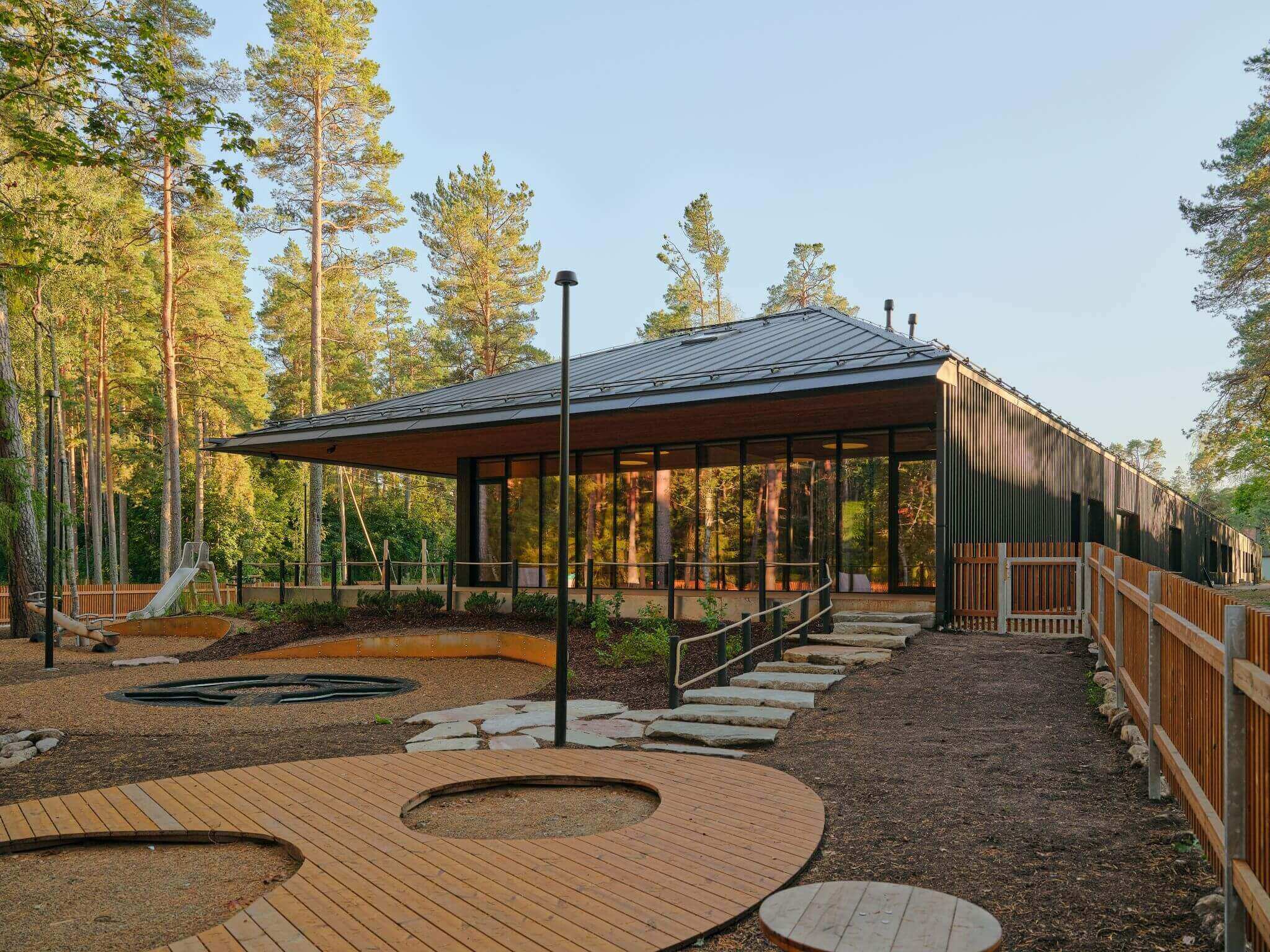
Kipoi, Ioannina
Kipoi
Κήποι | |
|---|---|
.JPG) | |
  Kipoi | |
| Coordinates: 39°51.8′N 20°47.5′E / 39.8633°N 20.7917°E | |
| Country | Greece |
| Administrative region | Epirus |
| Regional unit | Ioannina |
| Municipality | Zagori |
| Municipal unit | Tymfi |
| Population (2021)[1] | |
• Community | 96 |
| Time zone | UTC+2 (EET) |
| • Summer (DST) | UTC+3 (EEST) |
| Vehicle registration | ΙΝ |
Kipoi (Greek: Κήποι, before 1928: Μπάγια, Bagia)[2][3] is a village in the region of Zagori. It belongs to the municipal unit of Tymfi, Ioannina regional unit, Greece. The village has the lowest altitude of all Zagori village and is surrounded by rivers. It is built on a rocky hill, in the southern end of Vikos Gorge.
Name
Linguist Kostas Oikonomou writes the placename Bagia is related to the Albanian word bajë, baja 'bath', a term philologist Franz Miklosich says cannot be attributed with certainty to any language.[4] On the contrary, linguist Gustav Meyer relates the word to the Slavic banja 'bath' from the Romanian baje 'mine, bathing place, source of mineral water'.[4]
Oikonomou states the origin of the toponym is either directly from the Albanian noun 'bathing place', as there are many ponds in the village suitable for bathing, especially in the summer when the river water ceases to flow and is concentrated only in them, or from the personal name Bagias (and Vagias) which are considered to be of Albanian origin.[4]
The new Greek name Kipoi is taken from a nearby toponym for fields where potatoes and other agricultural crops are cultivated.[4]
History and culture

Kipoi was once the centre of Zagori. After the Balkan Wars and the liberation of Epirus in 1913, the people of Kipi demanded that Kipoi becomes the capital of Zagori, because it is the most central village and because it once was the "capital".
In Kipoi, the traditional architectural style of Epirus is well preserved, with stone built roads and dwellings. The village is surrounded by stone bridges. In the entrance lies Kontodimos bridge, down in the valley, the beautiful Milos bridge connects the village to the old water mill and Petsonis bridge in the exit towards Fragades.

One can find more bridges on the old paths towards Elati, Dikorfo, Negades and Tsepelovo. Not far from the villages lies a three arched stone bridge, of the 18th century (illustration). The bridge is also a unique tourist attraction of today, on the local road to central Zagori, just out of the village.
Orthodox Albanians, locally called "Arvanites", settled the village after the 15th century, later assimilating into the local population. Sarakatsani settled at the beginning of the 20th century.[5]
Today, the museum of the famous collector Agapios Tolis is located in Kipoi, where more than 40.000 exhibits are included.[6]
Bibliography
- Kahl, Thede (1999). "Die Zagóri-Dörfer in Nordgriechenland: Wirtschaftliche Einheit – ethnische Vielfalt". Ethnologia Balkanica. 3.
References
- ^ "Αποτελέσματα Απογραφής Πληθυσμού - Κατοικιών 2021, Μόνιμος Πληθυσμός κατά οικισμό" [Results of the 2021 Population - Housing Census, Permanent population by settlement] (in Greek). Hellenic Statistical Authority. 29 March 2024.
- ^ Institute for Neohellenic Research. "Name Changes of Settlements in Greece: Bagia – Kipoi". Pandektis. Archived from the original on 19 December 2024. Retrieved 22 December 2025.
- ^ Hellenic Agency for Local Development and Local Government. "Διοικητικές Μεταβολές των Οικισμών: Μπάγια – Κήποι" [Administrative Changes of Settlements: Bagia – Kipoi]. EETAA (in Greek). Retrieved 22 December 2025.
- ^ a b c d Oikonomou, Kostas E. (2002). Τα οικωνύμια του νομού Ιωαννίνων. Γλωσσολογική εξέταση [The oikonyms of the prefecture of Ioannina. A linguistic examination] (PDF) (in Greek). Nomarchiaki Aftodioikisi Ioanninon. p. 207. ISBN 9789608316010. Archived (PDF) from the original on 25 November 2024.
- ^ Kahl 1999, p. 106,114: "Ansiedlungen christlich-orthodoxer Albaner (sog. Arvaniten)..."
- ^ Folklore Museum of Kipoi, Golden Greece
External links
- Zagorochoria Kipi Information about Kipoi.