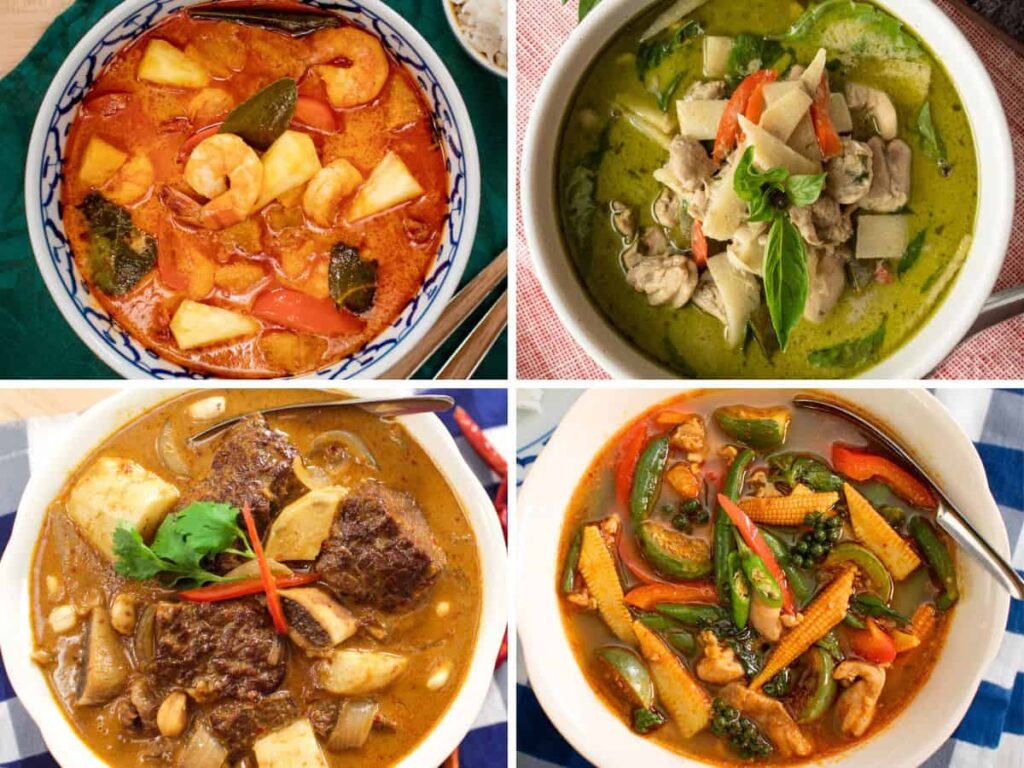
If I told you that you can make any Thai curries you want without having to follow recipes, would you believe me? Instead of going shopping according to a recipe, you can look at whatâs in your fridge and make a tasty Thai curry based on what you have. Itâs not hard at all because […]
Mustard greens are also referred to as leaf mustard or Chinese leaf mustard. I am quite familiar with this green vegetable from childhood. My grandma loves to make pickled mustard greens or use them to make our unique preserved vegetables.
Sichuan cuisine is famous for its pickled vegetables and dried vegetables. The most common usage in Chinese cuisine is pickled mustard greens. Pickled mustard greens are a staple of Sichuan cuisine. There are many popular Sichuan dishes that use pickled mustard greens, such as shredded mustard green noodles (suancai rou si) and Suancai Yu.
In addition, other varieties are cultivated in China. Some with a larger stem, which is used to make dried vegetables (zaicai si) or pickled Zha Cai, while others might have a smaller lobus apicalis like potherb mustard. Mustard group vegetables are considered among the healthiest green vegetables in China due to their ability to relieve constipation, reduce toxicity, and have anti-infection effects.
I bought a large batch of mustard greens to make pickled mustard greens as a further preparation for my Suancai Yu (Boiled fish with Suancai, a sister recipe to the Shui Zu Yu recipe). I get some leafovers, so I make this quick stir-fry dish.
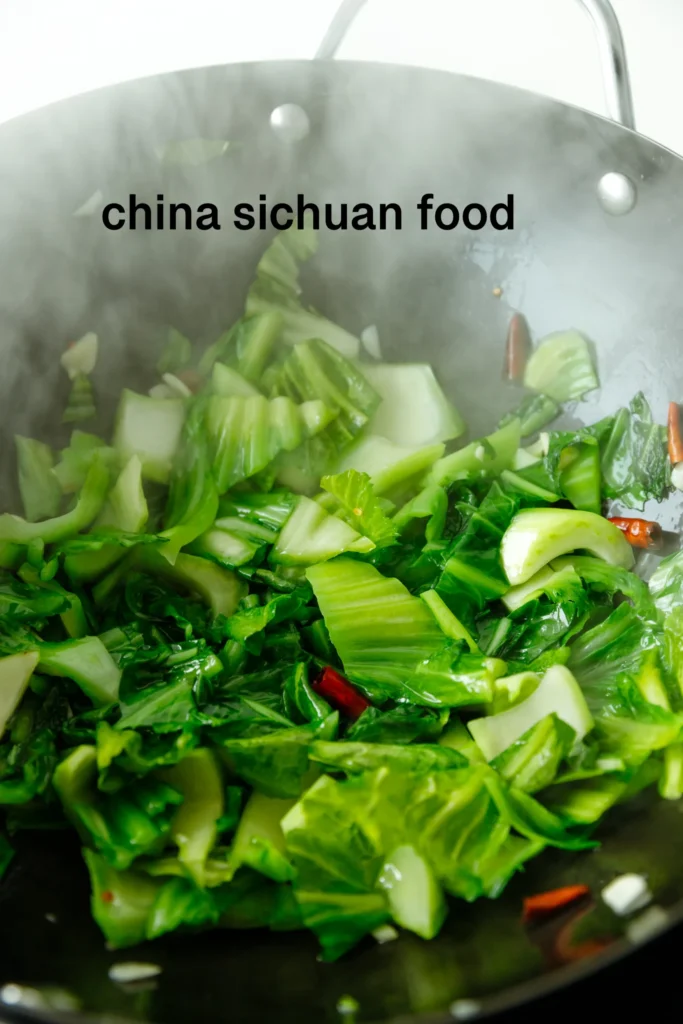
Stir-fried mustard greens are really simple but taste super fresh. Besides, I do like the pure green color, looking so appealing and inviting. In addition, mustard greens can be used in a soup recipe, for example, mustard green tofu soup.
Blanching or Not?
If you get fresh, high-quality mustard greens without prickly hairs, you can skip blanching and fry them directly.
In contrast, if you feel the leaves have prickly hairs. Blanching them in hot boiling water for 1 minute can help to remove the hairs.
Oil and Aromatics
I recommend lard as the top choice for this stir-fry. If you want a vegan version, coconut oil can be a great substitute.
You will also need roughly chopped garlic and several dried chili peppers. Fresh Thai pepper can be a great substitute, too.
Mustard Green Stir Fry Recipe
Healthy leave mustard stir fry recipe with garlic and chili peppers.
Clean and wash the mustard greens carefully, drain and then cut into small pieces.
Heat up cooking oil in wok, add garlic and chili pepper, fry until aromatic over slow fire.
Turn up the fire, add mustard green in. Quickly fry for around 1 minute. Add salt and light soy sauce. Mix well.
Sprinkle with sesame oil. Transfer out and serving with steamed rice or other staple food your like.
Video
[embedded content][embedded content]
Notes
If you feel the leaves have prickly hairs, add them to a large pot of boiling water with several drops of cooking oil and 1/2 teaspoon salt. Blanch the mustard greens around the tough part for 10 seconds, then leave for 2 ~3 seconds. Transfer out and drain before stir-frying. This recipe was first published in 2014 and updated in 2026.
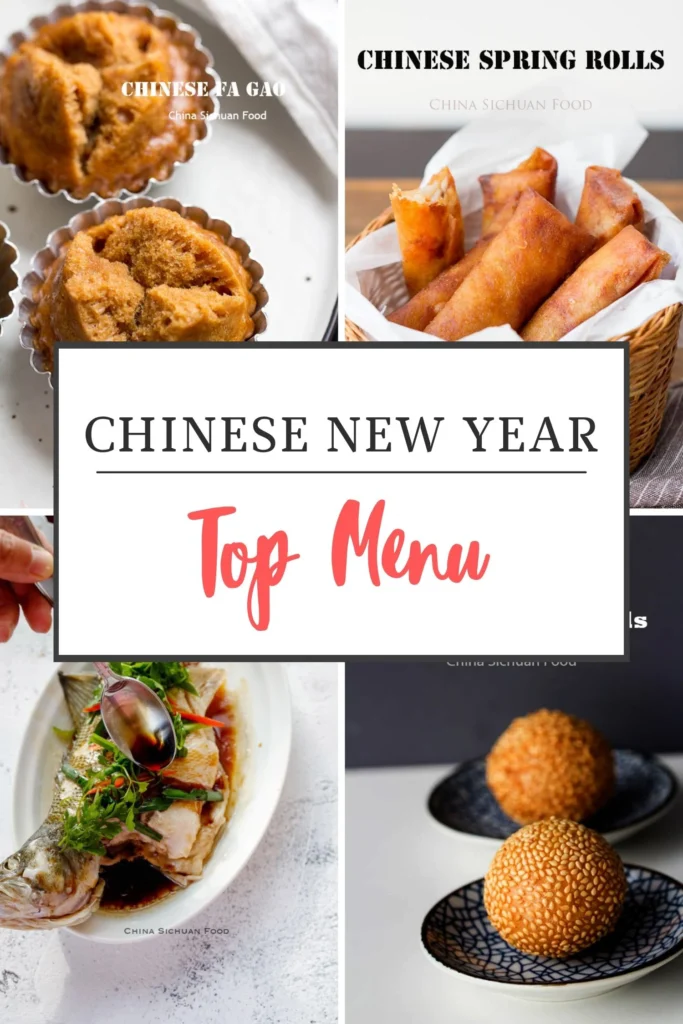
As the Chinese New Year approaches, here are my top menu recommendations. Some are traditional spring festival foods, while others are my favorites. We cover everything from basic fortune foods to main dishes, including hot pot, chicken, and fish.
1. Fa Gao – Chinese Fortune Cake
Fa gao is a steamed sponge cake whose name literally means “fortune cake.” We love it for its symbolic meaning. This fluffy dessert symbolizes growth and rising fortune for the coming year. As it steams, the cake rises and often splits open at the top, which is considered especially auspicious—the wider the split, the better your luck will be. The word “fa” (发) means both “to rise” and “to prosper,” and is used to hope for business success and family prosperity.
2. Sesame Balls – Two Versions
Sticky rice is a very popular ingredient for the Chinese New Year. These golden, crispy glutinous rice balls, coated in sesame seeds, symbolize reunion and completeness due to their perfect round shape. We also love the golden color as it symbolizes wealth and prosperity. As they fry, the balls expand and become hollow inside, which represents a home filled with gold and good fortune.
Another popular Chinese fried sesame ball is the laughing balls Kai Kou Xiao – Smiling Cookies. These fried cookies crack open as they cook, creating a “smiling” appearance that gives them their name. During Chinese New Year, it represents happiness, laughter, and open-hearted joy for the coming year.
3. Whole Fish – nián nián yǒu yú
Serving a whole fish during Chinese New Year is essential because “fish” (鱼, yú) sounds like “surplus” (余, yú), representing the wish for abundance and savings in the coming year. The phrase “年年有余” (nián nián yǒu yú) means “may you have surplus every year.” We usually serve the fish whole, with the head and tail. You can prepare it as red-braised fish in a savory-sweet soy-based sauce, or as whole steamed fish.
4. Tangyuan- Chinese Sticky Rice Dumplings
We eat Tangyuan on the first day of the new year as well as the Lantern Festival. Their round shape symbolizes family reunions and togetherness. They might be filled with black sesame, peanut, or red bean paste and usually served as a sweet soup. But you can also pan-fry or even deep-fry them.
5. Nian Gao – New Year Cake
Nian gao is perhaps the most symbolically important New Year food. It is also made with sticky rice. The name sounds like “higher year,” suggesting a wish to reach greater heights in the new year. White sugar nian gao has a subtle sweetness and chewy texture, often sliced and pan-fried until golden. Brown sugar nian gao has a richer, caramel-like flavor and deeper color, sometimes steamed with red dates.
6. Spring Rolls
Spring roll is one of the most popular and classic foods for the Chinese New Year. In most cases, they are deep-fried with various types of fillings. As with other deep-fried foods, the golden hue signifies good wishes.
You can also try making your own spring roll wrapper at home with only a brush and a pan.
7. Red- Baised Pork Belly
During the New Year, families prepare red-braised pork because its rich red color symbolizes good fortune and celebration. There are two popular versions: the Shanghai-style features larger chunks braised until meltingly tender with a slightly sweet glaze, while the Hunan-style (Chairman Mao’s favorite) includes dried chilies and is spicier with a more savory profile.
8. Dumplings- Steamed/ Pan-fried/ Boiled
Dumplings are absolutely central to Chinese New Year celebrations, especially in northern China. It is usually a family gathering to make dumplings on New Year’s Eve. Some families hide a clean coin in one dumpling. It is considered a lucky coin. Dumpings can be steamed, boiled, or pan-fried. The most popular version in my family is Potstickers (煎饺), pan-fried dumplings with a crispy bottom.
9. Sachima and Tanghulu
This group is the children’s favorite. Sachima is a beloved snack made from strands of fried batter bound with maltose syrup, creating a sweet, crispy, chewy treat. This popular confection is popular during the Chinese New Year because its golden color represents wealth and its sweet taste symbolizes a sweet life ahead.
Tanghulu -these skewered hawthorn berries, coated in a crispy sugar syrup, are a classic winter street food that appears during Chinese New Year festivities. The bright red color of the hawthorn berries is supremely auspicious, representing good luck, joy, and celebration.
Tanghulu Recipe
10. Hot Pot
Hot pot is the ultimate communal dining experience and a New Year favorite for Sichuan-Chongqing families. Gathering around a bubbling pot of spicy broth, cooking, and sharing ingredients together perfectly embodies the spirit of reunion during the Chinese New Year. We don’t eat only spicy hot pot. In contrast, we now enjoy hot pot with a variety of broth and soup bases.
11. Sesame Candy and Peanut Candy
Both sesame candy and peanut candy are traditional sweets made from mixed seeds bound with maltose or sugar syrup, creating crunchy, nutty bars or brittle.
During Chinese New Year, it is one of the favorite snacks and energy bars. Chinese families often buy them at the market, but it’s also a great option to make them at home.
12. White Cut Chicken / Chili Chicken
We will never miss a chicken on our New Year’s table. And these are our two most popular versions. White cut chicken is a Cantonese specialty featuring perfectly poached chicken served at room temperature with ginger-scallion oil. The simple preparation allows the chicken’s natural flavor to shine through, and serving it whole (with head and feet) signifies a good beginning and end to the year.
This Sichuan-Chongqing chili chicken features crispy fried chicken pieces buried in a mountain of dried chilies and Sichuan peppercorns. For people from the Sichuan-Chongqing region, the Chinese New Year wouldn’t be complete without the bold, numbing-spicy flavors of la zi ji.
Afterthoughts
Each of these foods on our Chinese New Year menu carries deep cultural meaning. By making and serving this food, we want to transform the Chinese New Year meal into a symbolic feast of hopes, dreams, and wishes for prosperity, reunion, and happiness in the year ahead. So happy new year and wish you all the luck in the year of the horse.
Rice is the most important part of a Thai meal and we eat rice every single day, so the rice cooker is the single most important appliance in our households. But when you can spend $30 for a basic rice cooker, or hundreds of dollars for a fancy machine…is the extra money worth it for […]
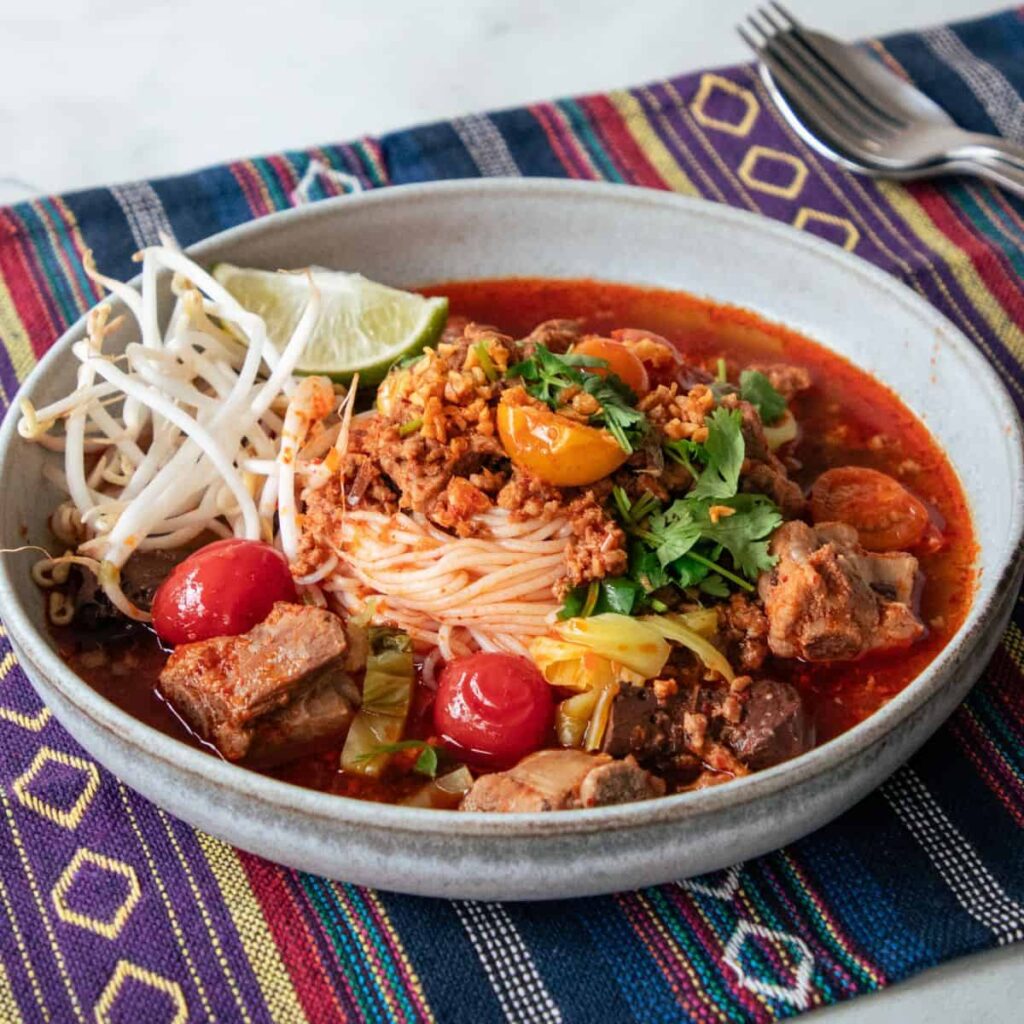
Kanom jeen nam ngiew à¸à¸à¸¡à¸à¸µà¸à¸à¹à¸³à¹à¸à¸µà¹à¸¢à¸§ is the ultimate comfort food of northern Thailand that is painfully underrated. Rice vermicelli served in a light pork and tomato curry broth loaded with fresh herbs and umami. It’s easy to make, just takes a bit of time to simmer. I make it on the weekend to enjoy throughout […]
If you look at a table of Thai people eating in Thailand, youâd always see little bowls of sauces scattered around the table. These are what we call nam jim, which means âdipping sauceâ or âcondiments,â and Thai people LOVE our nam jim! They play a crucial role in balancing AND enhancing our dishes, and […]
When you have too many bananas, what’s the first thing that comes to mind? Banana bread, most likely, right? But for Thai people, we turn to kanom gluay – Thai steamed banana “cake.” My mom made these often when I was a kid as we had a banana tree, and they’re super easy and tasty. […]
You may find it surprising, but KFC is the most popular fast food chain in Thailand. And Thai KFC’s most popular item (and my fave) is the Spicy Chicken Rice Bowl or khao yum gai zabb. It’s a rice bowl topped with popcorn chicken tossed in a laab seasoning, which is genius. I was determined […]
Jab chai à¸à¸±à¸à¸à¹à¸²à¸¢ is a comforting dish Thai people commonly enjoy at home. A medley of vegetables and pork ribs (or chicken) are cooked together until the meat is tender and the broth is packed with flavour. It’s a dish my grandma has been making for us ever since I was a kid, and I’ve […]
If youâre a foodie like me, whenever you travel, a lot of your research probably revolves around what to eat! So today I want to give you my list of 11 MUST HAVE foods when you go to Thailand, including tips for where to look for them and some specific restaurant recommendations! How did I […]